Politic?

This is a blog dedicated to a personal interpretation of political news of the day. I attempt to be as knowledgeable as possible before commenting and committing my thoughts to a day's communication.

Wednesday, January 22, 2025

Placement of Homeless Shelters in Urban Toronto
https://smartcdn.gprod.postmedia.digital/nationalpost/wp-content/uploads/2025/01/canada-toronto-homelessness-drug-use-street-violence-overdose-emergency-shelter.jpg?location=full_page&quality=90&strip=all&w=2400&type=webp&sig=NuGMgduWTOfan7HIVVnY3Q
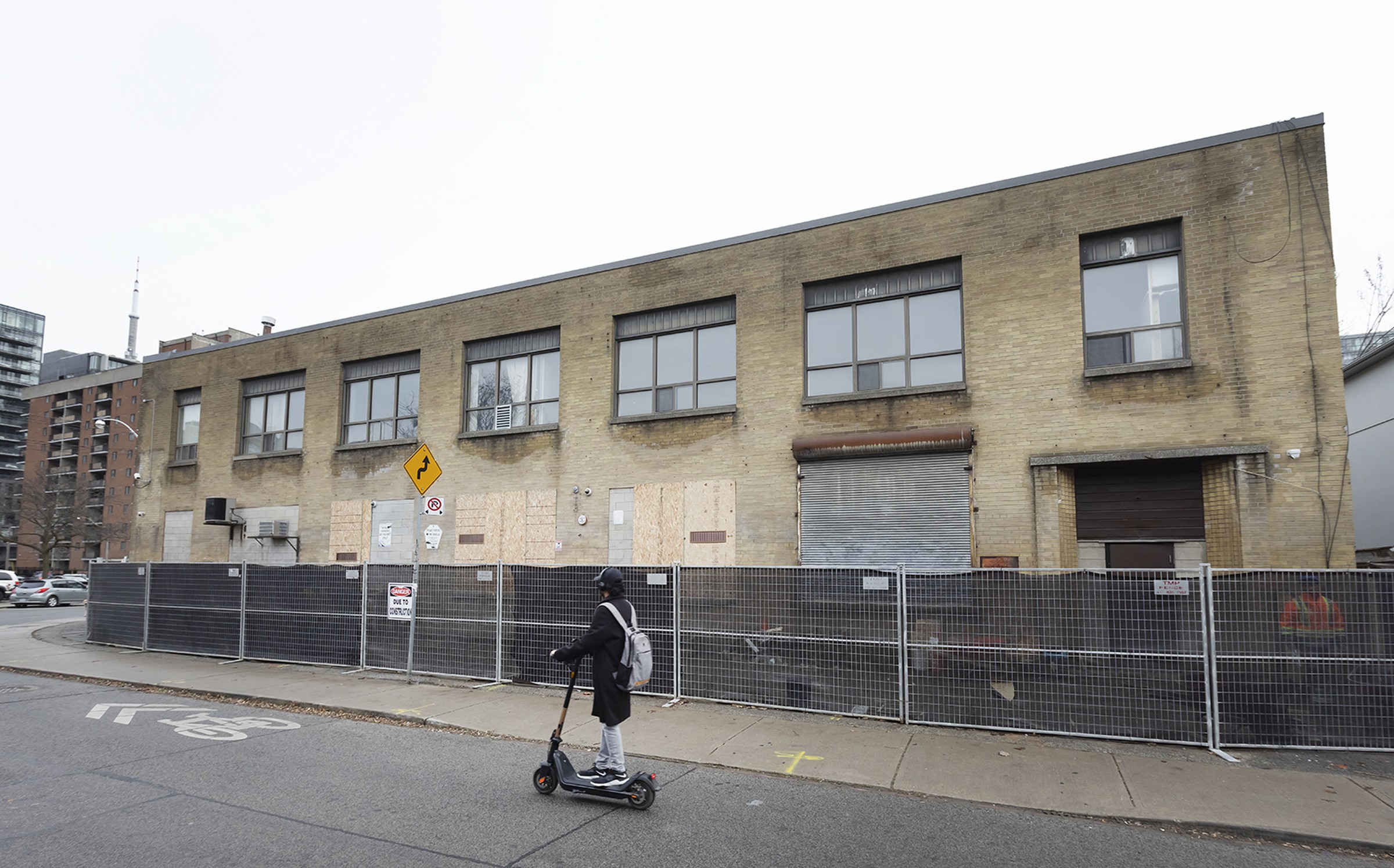
629 Adelaide St. W., which Toronto plans to use as a 50-bed emergency shelter with estimated operating and leasing costs of $45 million over 10 years. It is close to St. Mary’s Catholic Elementary School. Photo by Peter J. Thompson/National Post
"If you're wondering what it's like to live in Toronto..."
"[Instead of] assuring the neighbourhood their concerns would be heard [Mayor Olivia Chow] bemoaned the fact that the neigbourhood had been tipped off! These things are supposed to be secret, so no one can oppose them!"
"Our community is frustrated by the complete lack of communication with the city."
"We would like to have our concerns heard and know the risks involved. What we have right now, through, is crickets."
"Our community understands the need for homeless shelters. This is not up for debate. It is important, however, that when choosing the site for a new shelter, it has to work for both the residents of the community where it is located, and the people who will be using the shelter."
Jennifer Hedger, Scarborough, Ontario

"People are demanding to be heard."
"They think it's incredibly unfair that they are having this decision undemocratically forced on them."
"They're not saying don't do this. What they're saying is give us a seat at the table."
"They're concerned about safety."
Kevin Vuong, Area Member of Parliament
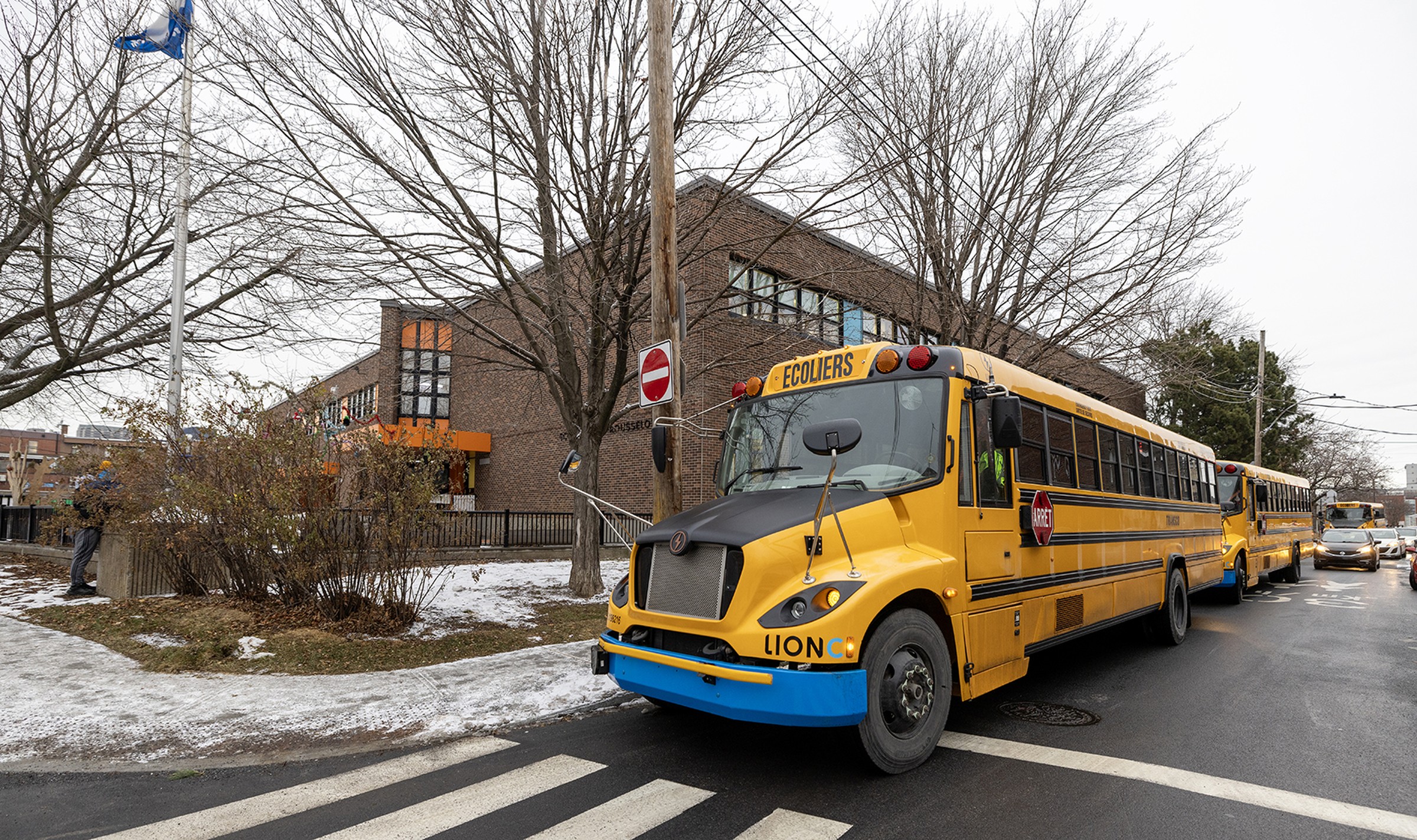
https://smartcdn.gprod.postmedia.digital/nationalpost/wp-content/uploads/2025/01/canada-montreal-school-homelessness-drugs-violence-shelter-inhalation-centre.jpg?location=full_page&quality=90&strip=all&w=2400&type=webp&sig=iA-QFJpg8HS1zI_hF8WZpQ
Montreal’s École Victor-Rousselot is just down the street from Maison Benoit Labre transitional housing and inhalation centre. Photo by John Mahoney/MONTREAL GAZETTE
In the larger of Canadian cities such as Toronto, Montreal, Vancouver and Ottawa the demand for beds has soared owing to a skyrocketing increase in immigrants seeking refugee status. Just as their presence has become a weight on all social services while their sheer numbers impact deleteriously on the need to focus on the plight of Canadians who have fallen on hard times, the need to further provide illegal migrants invoking refugee haven in Canada has placed unsupportable stress on already-overworked and inadequate homeless shelters. 

In 2024, a quarter of a million people entered Canada to apply for refugee status, some 20 times the number for all of 2014. The Centre for Addiction and Mental Health (CAMH) released The Shelter Safety Study revealing, among other issues that the annual number of incidents of interpersonal violence taking place in Toronto shelters had increased by 293 percent between 2011 and 2021, at a time when daily service users increased by 66 percent. In addition, incidents including violence rose from about 2,000 per year in 2011 to 10,000 in 2021.

An estimated half of the unhoused population in Toronto struggles with a substance use disorder, compelling reason for the city to be upfront with residents and business owners on where planning for shelter placements are set for, before they become a fait accompli, to be absolutely fair to  nearby residents who learn to their dismay through a grapevine, and not consultation or official statements that their neighbourhoods are slated to host homeless shelters ... and all too often in close proximity to schools.
https://smartcdn.gprod.postmedia.digital/nationalpost/wp-content/uploads/2025/01/canada-toronto-homelessness-drug-use-street-violence-overdose-augusta-respite-shelter.jpg?location=column&quality=90&strip=all&w=2400&type=webp&sig=GJDZ4CwwCDp3KqA1-0vQ5A
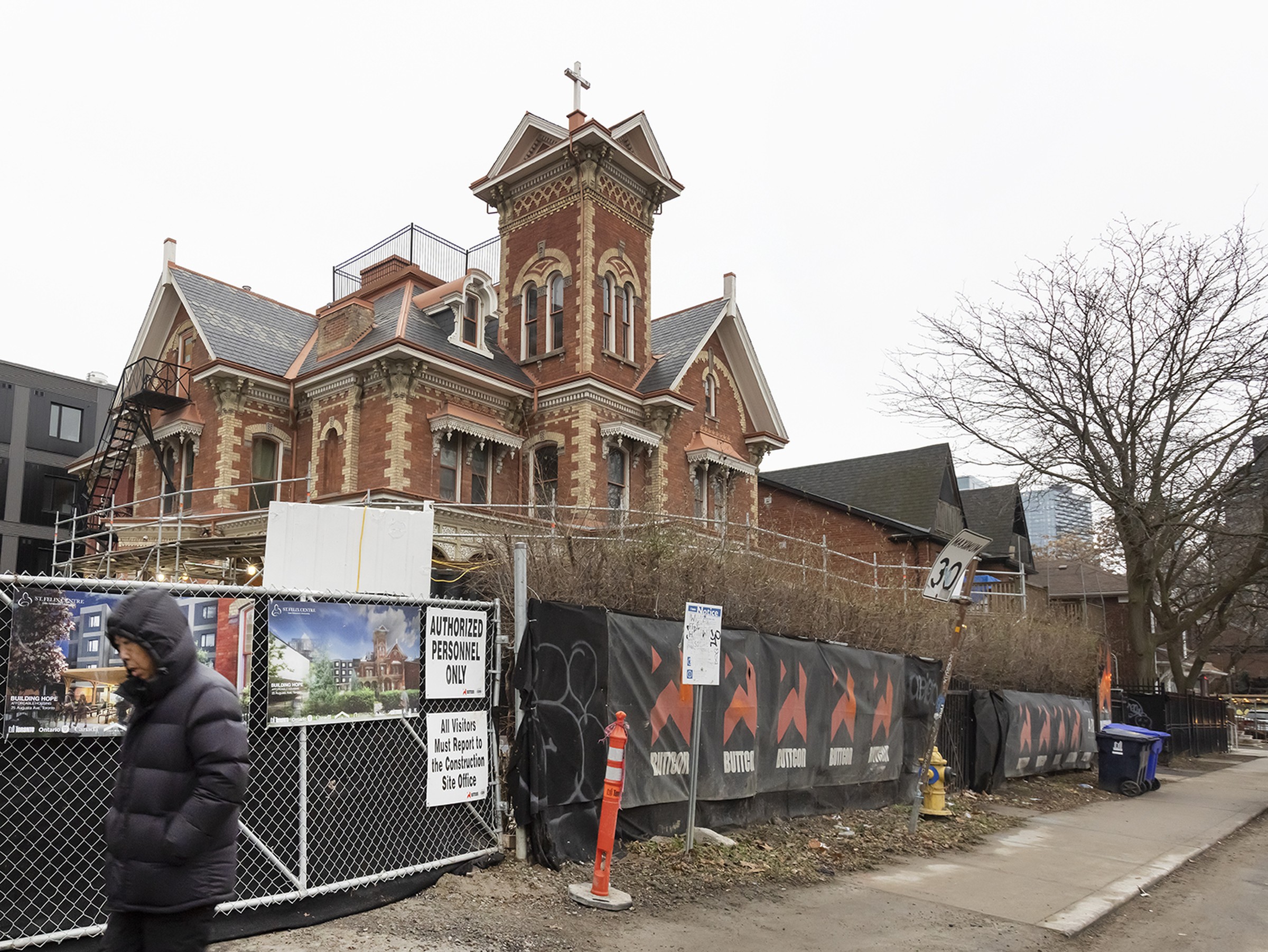
Toronto’s 25 Augusta Ave. St. Felix Respite Centre gained international attention when a mother of three posted videos of the open drug use and graphic violence her young family was witness to. Photo by Peter J. Thompson/National Post
A troubling lack of transparency and the city's documented inability to follow through on its commitment to see that the facilities are well managed and don't present as a danger to residents makes residents extremely and understandably upset, sending them in droves to confront city officials, demanding accountability. The unsettling situation isn't Toronto's alone. Hundreds of residents gathered at Richmond, British Columbia's city hall protesting a proposed injection site they were told nothing about, to be placed in their neighbourhood.

In Montreal, a coalition came together when parents, residents and businesses found themselves blindsided with news of a building under construction meant to be used as a shelter with a supervised injection component. Located a mere few metres from a fenced-in park used for recesses and lunch breaks by an adjacent elementary school.
 
https://smartcdn.gprod.postmedia.digital/nationalpost/wp-content/uploads/2025/01/canada-ottawa-canada-refugee-homelessness-drugs-violence-shelter-inhalation-centre.jpg?location=column&quality=90&strip=all&w=2400&type=webp&sig=a1AAk70ZLxnyi5Ku9AUtsQ
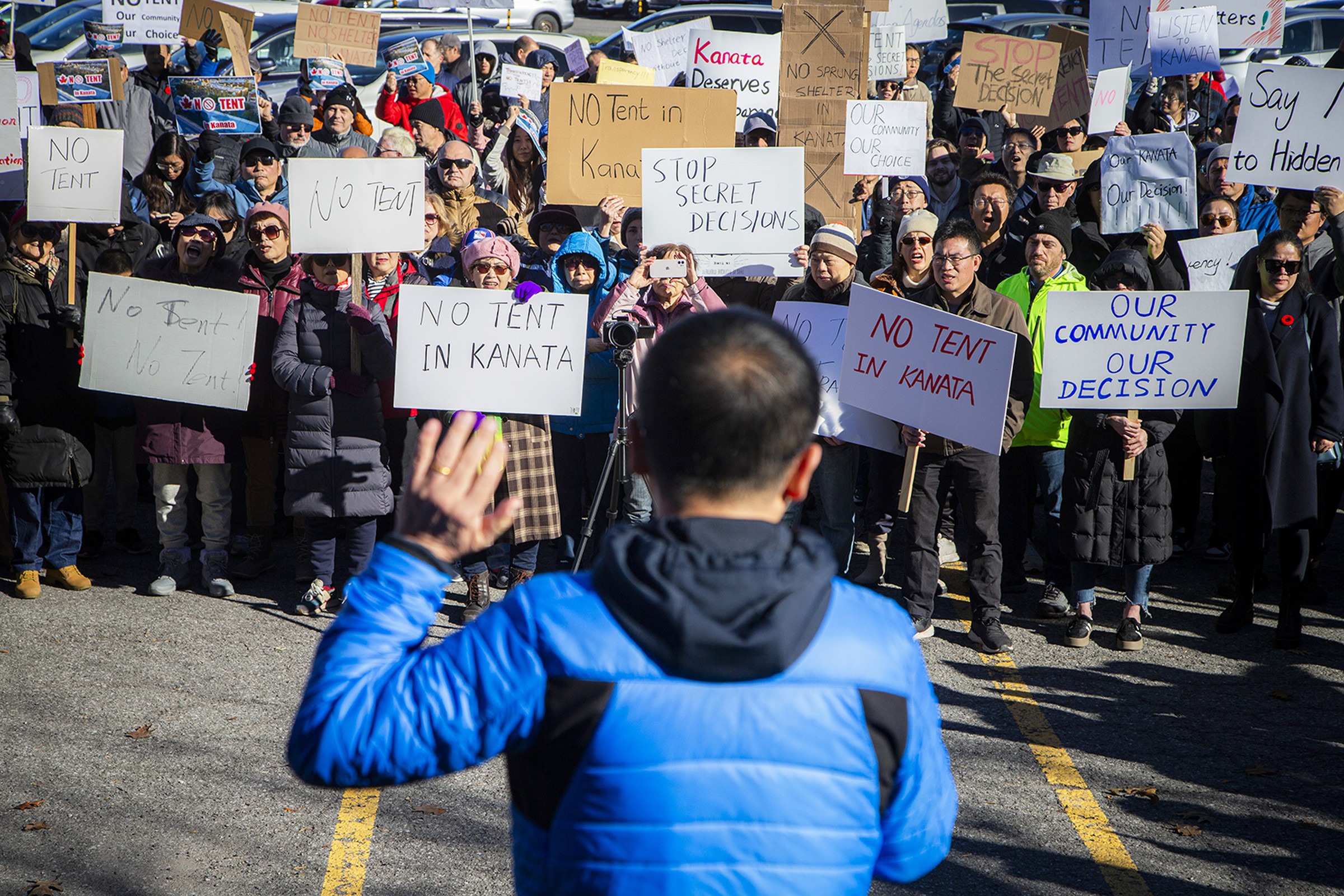
In November 2024, Kanata residents in Ottawa’s west end protested plans to erect “sprung structures” — giant platformed tents — at a park-and-ride lot. Photo by Ashley Fraser/Postmedia News
The Ottawa suburb of Kanata saw protests against the plan by the city to erect a series of sprung structures" (giant platformed tents) at a local commuter park-and-ride for the purpose of accommodating asylum seekers. Residents complained that no community consultation had taken place prior to the announcement. In Peterborough, Ontario the Police Chief stated his force would no longer encourage drug users to relocate to the injection site; henceforth anyone caught using illicit substances outside of the site would be subject to search, their drugs seized, and they possible arrests.

In Scarborough, east Toronto, residents concerned of safety learned through a tip-off, that a respite centre was meant to be placed on one side of the St.Mary's Catholic Elementary School, and a supervised injection site would be placed on the other side of the school. A situation that saw concentrated drug activity in the immediate area. "We see it already. We find needles and condoms at the school", complained one outraged parent. 

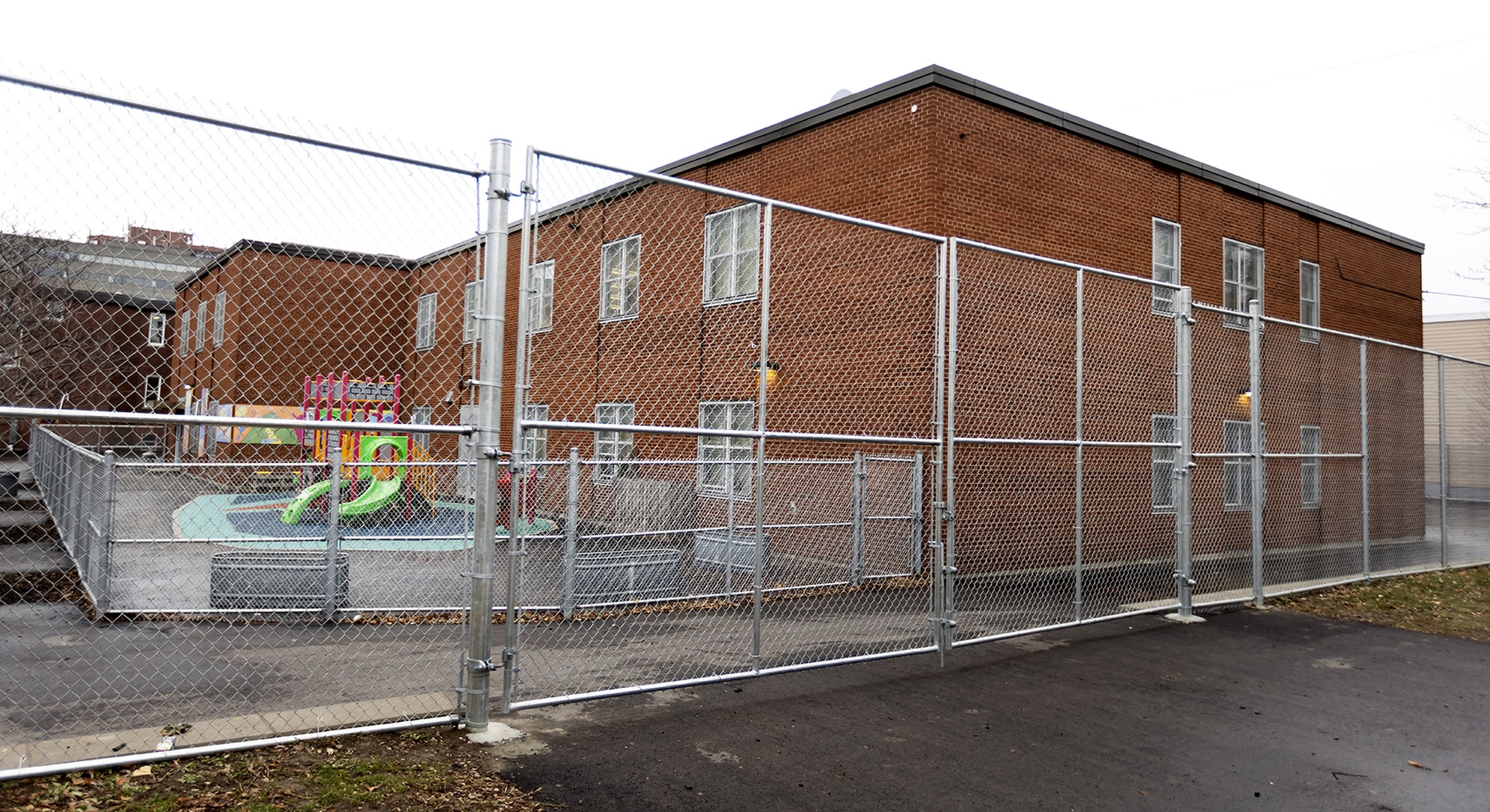
A representative of the Catholic school board who supervised three city schools stated: "There's no amount of community liaison you can do with these centres that stops the problems -- which is what children see". School custodians had to be trained to deal with needles, condoms and human waste. No choice was left eventually but to erect massive security fences. "The school is starting to look like a prison -- not super-max but definitely medium security."

Professor Michael MacKenzie whose work at McGill University in psychiatry and pediatrics studies "the trauma-informed treatment of mental health and addictions". He wrote a column titled "A case study on how not to build community trust", setting the record straight on what he and his neighbours close to a site had been experiencing: groups of people injecting drugs, assaults, a man with his pants down masturbating in front of a neighbour's window in broad daylight, and sex acts on the sidewalk.
https://smartcdn.gprod.postmedia.digital/nationalpost/wp-content/uploads/2025/01/toronto-homelessness-shelter-drug-use-street-violence-overdose-st-marys-school.jpg?location=full_page&quality=90&strip=all&w=2400&type=webp&sig=68SBjwo19XxEuoR4piy6Pg
A supervised injection site opened in 2017 near St. Mary’s Catholic Elementary School in Toronto, forcing the board to train staff to deal with needles, condoms and human waste and, eventually, erect tall security fences. Photo by Peter J. Thompson/National Post
"You think it's safe when a bullet comes flying out of one of these sites in Toronto to kill a mother?"
"You think it's safe to have people using heroin and crack and cocaine next to a playground?"
"[Supervised injection sites] They're drug dens. And they've made everything worse everywhere they've been done."
Leader of the Parliamentary opposition Conservative Party, Pierre Poilievre

Labels: , , , , , ,

Sunday, August 14, 2022

Canada's MAID (Medical Assistance In Dying)

"The implications of Canada's law [on euthanasia] is that a life with disability is automatically less worth living and that in some cases, death is preferable."
Theresia Degener, professor or law and disability studies, Protestant University for Applied Sciences, Germany
 
"[Canada's euthanasia law is] probably the biggest existential threat to disabled people since the Nazis' program in Germany in the 1930s."
Tim Stanton, director, Canadian Institute for Inclusion and Citizenship, University of British Columbia
 
"[Canadian politicians should listen to the concerns of those facing hardships who believe euthanasia is their only option'."
"In an era where we recognize the right to die with dignity, we must do more to guarantee the right to live with dignity."
Marie-Claude Landry, Ad. E., Chief Commissioner, Canadian Human Rights Commission
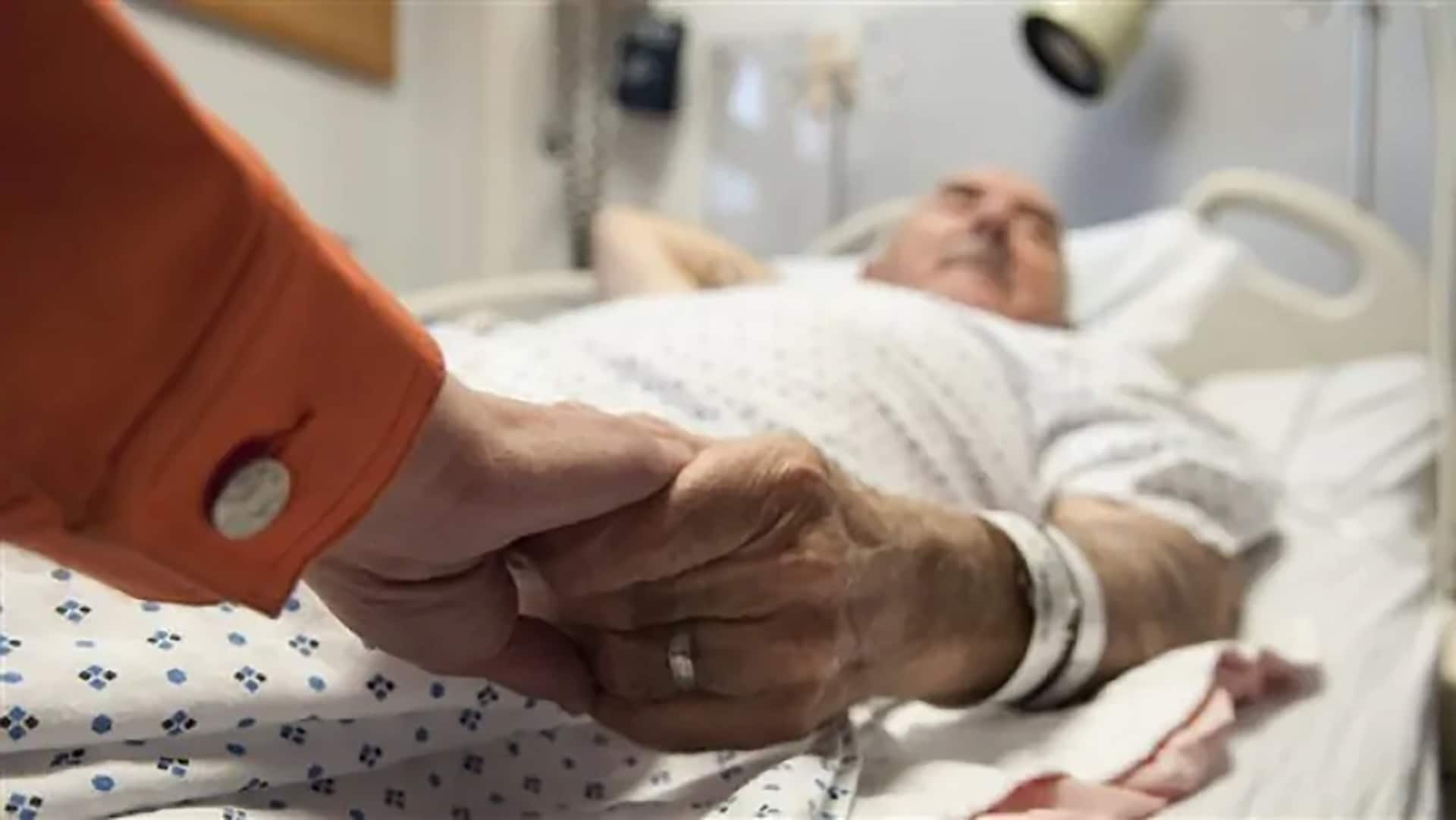
The Senate has passed Bill C-7, which expands access to medical assistance in dying, including, eventually, to people suffering solely from mental illnesses. CBC

Disability experts have concluded that Canada has the world's most permissive euthanasia regulations which permit people with serious disabilities to decide to reach out for death, absent any other medical issues. A majority of Canadians in general support the concept of euthanasia for those for whom life is untenable for medical reasons. The advocacy group Dying With Dignity hails the process as being "driven by compassion", to end human suffering. Well and good.
 
Human rights advocates on the other hand, feel the regulations are too loose, lacking required safeguards. In the process lives of disabled people are devalued, inciting doctors and health workers to recommend the procedure to those of their patients who might not otherwise consider ending their lives. According to advocates, troubling instances occur where people seek assisted suicide in direct relation to inadequate government support in living.
 
Euthanasia access is to expand in 2023, against advocacy that insists the system warrants scrutiny at the present time. The euthanasia law "recognizes the rights of all persons -- as well as the inherent and equal value of every life", insists Canada's health minister. Euthanasia protocol sees doctors administer drugs meant to take away life of patients -- meant to be a compassionate response to people's end-of-life requests -- is legal in Belgium, Canada, Colombia, Luxembourg, Netherlands, New Zealand and Spain, along with several states in Australia.

Jurisdictions in several American states permit assisted suicide, with patients themselves under supervision taking the lethal drug that will end their lives. Originally in 2016 when Canada introduced euthanasia legally, the procedure was to be granted to people age 18 and over meeting several criteria, including having a "grievous and irremediable" medical condition that caases unbearable suffering. Death was to be reasonably foreseeable, as a qualification.

Later legislation removed the death-be-imminent restriction, an issue removing a key safeguard, according to critics of the legislation. In Belgium and the Netherlands, euthanasia has been legal for the past two decades, where monthly commissions review potentially troubling cases. Canada lacks this oversight. No restrictions apply to doctors suggesting euthanasia to patients who have not themselves requested it; strictly forbidden elsewhere as a practise.

There is no requirement to have exhausted all treatment options for people seeking euthanasia in Canada, unlike what pertains in Belgium and the Netherlands. Under current Canadian euthanasia law, any adult with a serious illness, disease or disability can apply for euthanasia. Critics say that permitting euthanasia based solely on disability represents a clear human rights violation.

Another issue has arisen, whereby in some instances people finding themselves with mounting medical bills due to their disabilities choose to be euthanized. Canada is preparing to allow people to be euthanized from next year for mental health reasons exclusively. Consideration of extending euthanasia is being given to "mature" minors, children under age 18 meeting the same criteria as adults.
 
The most needily vulnerable people whose lives could be improved sufficiently so as to make them worthwhile living with some thoughtful medical and therapeutic assistance, along with government disability financial assistance surely is far preferable in a compassionate society than offering suffering humanity early death in lieu of life under tolerable living conditions. 
 
figure image
Kiefer Pix/Shutterstock
"A few days ago, a 30-year-old patient with very treatable mental illness asked me to end her life. Her distraught parents came to the appointment with her because they were afraid that I might support her request and that they would be helpless to do anything about it. It’s horrific they have to worry that by going to a psychiatrist, their daughter might be killed by that very psychiatrist."
Psychiatrist editor of the Journal of Ethics in Mental Health

Labels: , , , , , , ,

Sunday, May 31, 2020

COVID Stress, as Universal as the Pandemic

"[It's vital to identify environmental threats from a] fitness survival perspective."
"We only became predators much later in evolutionary history [leading us to over-interpret risks to survival because the human mind is poor at probability-estimating; a heritage of our hunter-gatherer brains]."
"[With COVID-19, there is uncertainty] because the medical news changes every day."
"...Generation Z and millennials were already very vulnerable, they were already prone to anxiety and depression and for many of them, I fear the confinement has made it much worse."
"We're still not sure what happened, where the virus came from and COVID conspiracy theories are spreading."
"Just the simple act of being able to share food and stories with your friends has become very special."
"The constant state of anxiety and uncertainty, the isolation, the lack of meaning and purpose, these are all things that are accompanied with negative affect, which make us more prone to being victims of our own emotions."
"We're constantly missing out in these tiny little micro actions, but these micro actions eventually amount to us becoming better persons for the sake of others. Doing things that people had lost track of because of the rat race of our daily lives."
Samuel Veissiere, anthropologist, assistant professor of psychiatry, McGill University
https://images.theconversation.com/files/336864/original/file-20200521-102682-1mmgo9e.jpg?ixlib=rb-1.1.0&rect=21%2C451%2C4533%2C2266&q=45&auto=format&w=1356&h=668&fit=crop
"We don't really know, especially because we don't have that comparator to say, this is how many would be experiencing lifetime anxiety prior to the pandemic."
"But it's important for people to understand that if you are experiencing those symptoms, you're not alone. This is an unprecedented time."
Tara Elton-Marshall, scientist, Centre for Addiction and Mental Health

"These are stressful times and there are things to be concerned about. But a healthy level of anxiety gives people agency."
"It's when the feelings start to impair functioning in your ability to work, to parent, to be present in a healthy way in your relationships, that a  health professional needs to be involved."
Dr.Valerie Taylor, chief, department of psychiatry, University of Calgary
Experts in the field of mental health swiftly became concerned about the impact of fear, isolation and pandemic policies on the human psyche when the global pandemic was declared, the series of shut-downs in various countries in response to the invasion of the SARS-Cov-2 virus which began to spread COVID-19 in populations, altering peoples' lives in ways never before encountered, taking an unheard-of toll on society in general, on the business world, on governments and the international community.

Worry, Gratitude & Boredom: As COVID-19 affects mental, financial health, who fares better; who is worse?

Our vulnerabilities, once the scaffolding of civilizational norms and our habitual place in the order of things were suddenly reversed and social-isolation mandated, struck people with a sense of total helplessness and uncertainty how to respond, in a growing sense of psychic dislocation. "It's sad, but not surprising", to see that outcome, commented Dr.Veissiere, co-director of the Culture, Mind and Brain Program at McGill, of the fact that a new national survey indicates a sizeable number of people have been severely affected psychologically.

One quarter of Canadians, according to the survey results, experienced moderate to severe levels of anxiety, another quarter experiences occasional or frequent loneliness, and 20 percent reported depression. Close to a quarter of the 1,005 survey participants reported at least once-weekly binge-drinking. Women, parents with young children, 18- to 39-year-olds appear to be faring worse than others, and notable numbers report being nervous and edgy, unable to relax.

People are irritable, readily annoyed, with a problematical number of days spent concerned that "something awful might happen", over the coronavirus hanging over society, like a Damaclean Sword. This survey represents the first in a planned series by the Centre for Addiction and Mental Health, collaborating with Delvinia, a research tech and data collection company, offering access to the survey data "to help mental health professionals get ahead of what's coming".

covid19 mental health
Angus Reid
Within any population there are people whose minds are geared to accept or struggle against situations, so that "if you're a 'no-big-deal' kind of person, you'll find the information confirms that bias", while catastrophizers who believe something is far worse than it actually is, react otherwise. When the World Health Organization first declared the death rate of COVID-19 at 3.4 percent, that data caused a frisson of fear. 

The U.S. Centres for Disease Control and Prevention this week released their 'best estimate', placing the overall death rate at 0.4 percent, a more reasonable, less fear-inducing figure for those who show symptoms, at the same time estimating 35 percent of infected people will never develop symptoms. Because of the shut-down conditions Canada imposed in an effort to 'flatten the curve', two million jobs were forfeited in April.

Resulting in a large segment of the population left to struggle with feelings of boredom, frustration and fear. Younger adults appear to be the most anxious, with people 60 and older less so, even as it is the older population that is more susceptible to the more serious effects of COVID than the younger demographic in one of those peculiar twists of irony in human nature. Experts hazard the opinion that people given to anxiety under normal circumstances now stressed under COVID have simply become more anxious.

According to the survey, it is women more than men who have ended up struggling more over the conditions they now find themselves in. More likely to have lost employment, to be shouldering child and elder care, and for many women home isn't quite the haven it should be. "We're seeing an increase in domestic abuse", notes Dr.Valerie Taylor. A 50 percent increase in texts and calls has been reported by Kids Help Phone, a national support service for youth.

covid19 mental health
Angus Reid
Anxiety represents uncertainty about what might happen. The more one thinks about possibilities and dwells on worst-case scenarios, the likelier they are to have heightened anxiety and depression. The very fact that SARS-CoV-2 remains a universal planetary threat speaks to our susceptibility and uncertainty. And when people feel helpless to avoid disaster fear and panic can set in, and spread. The antidote to that is to find comfort, reassurance, to restore feelings of safety.

And those can be found in re-establishing contact with those who have a meaningful impact on our lives, in a relaxation of the shutdown, and opening up of opportunities to once again be together with people we know and care about. To share experiences, meals, the meaning of life as social creatures dependent for our happiness and satisfaction on our contact with others, deriving pleasure from ordinary things that under normal circumstances are taken for granted.

anxiety
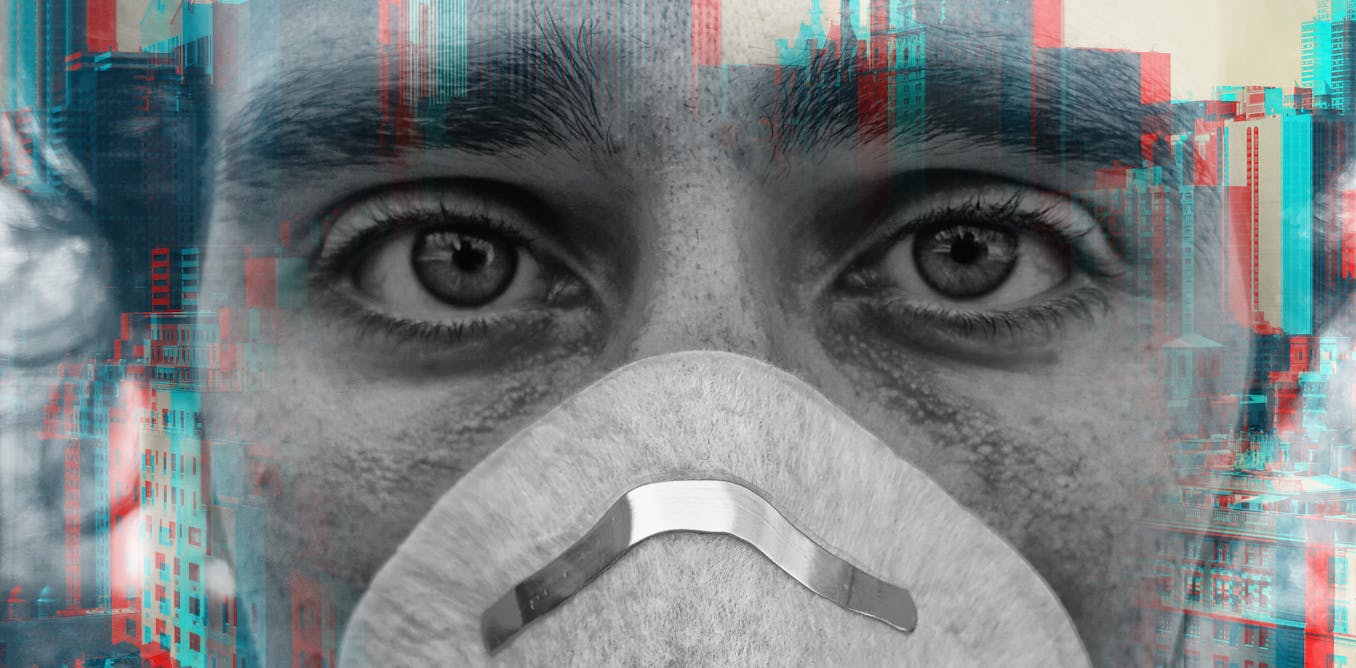
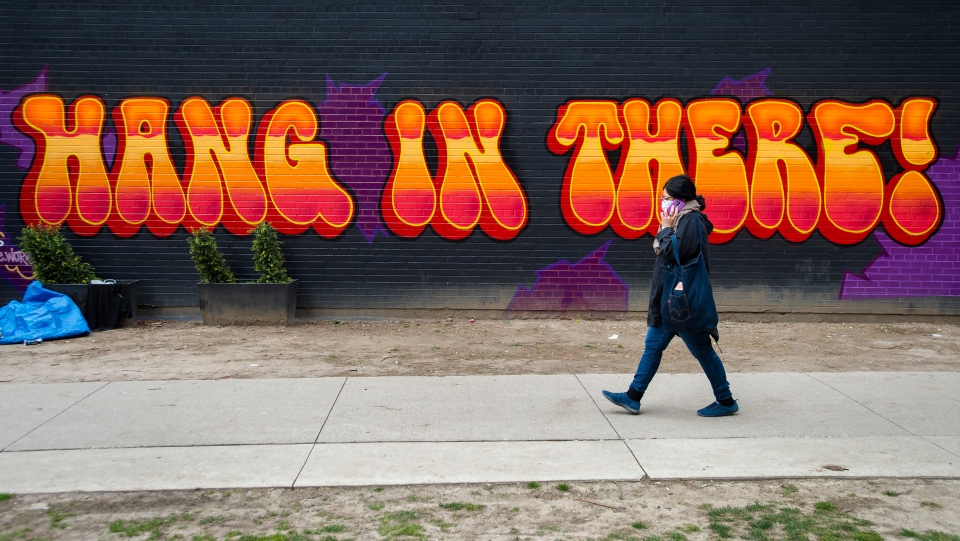
A woman wearing a mask talks on her phone during the COVID-19 pandemic in Toronto on Tuesday, April 28, 2020. THE CANADIAN PRESS/Nathan Denette

Labels: ,

Monday, March 25, 2019

The Thin[ner] Blue Line

"It was a bit of checkmate [trying to figure out which emergency calls to respond to]. We need to support these people in crisis, but the police are not the right ones to be dealing with them."
"It was all right, the police being the jack-of-all-trades, when there was a necessary amount of funding for the police. But if you've got 20,000 less police officers, less funding, then somebody needs to make the decision about what they want us to do."
"When the criminals realize that their gang is bigger than our gang, they start exploiting that."
Constable Richard Chant, West Midlands Police Department, Birmingham, England
police-officers.jpg
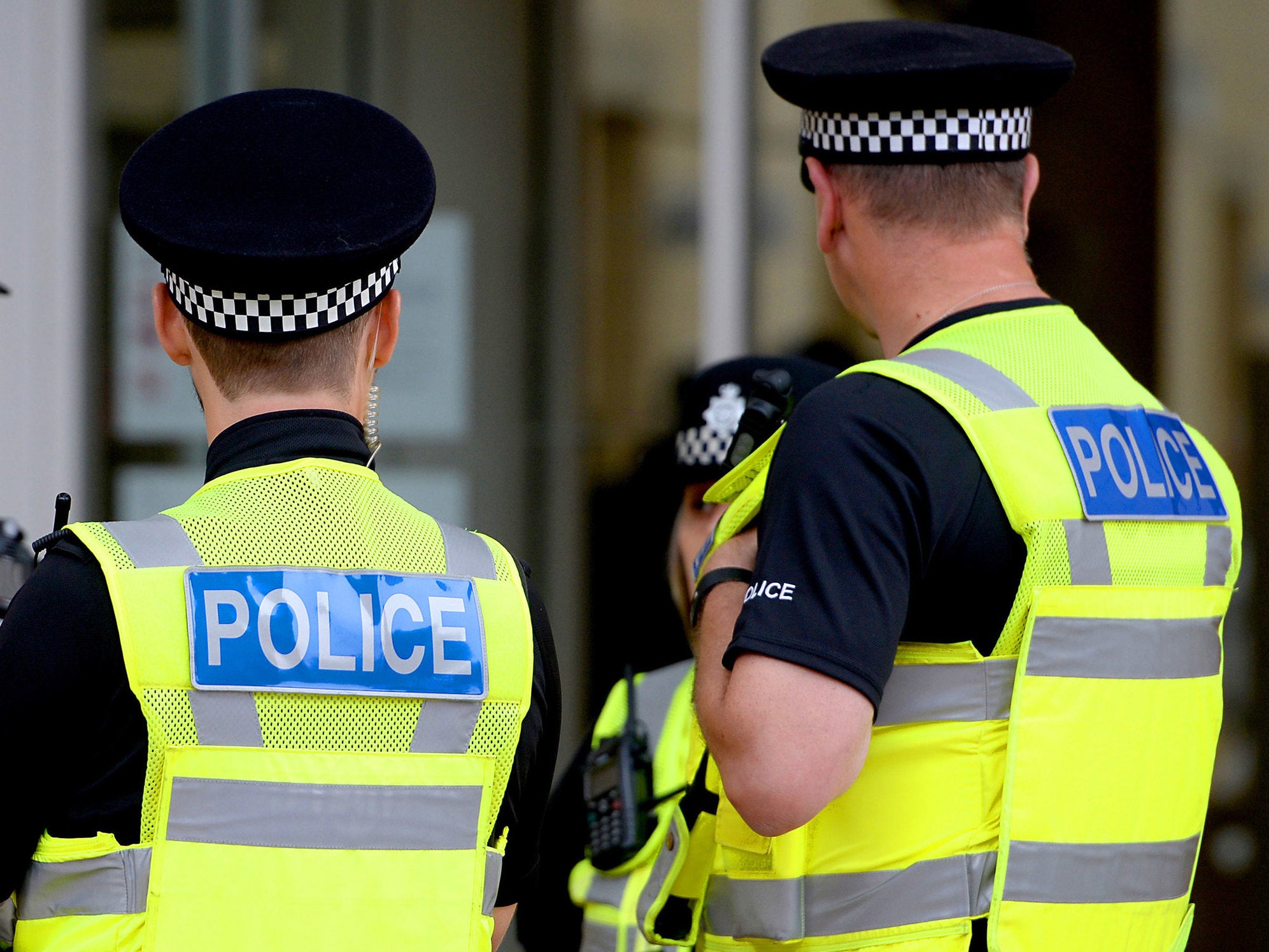
Prioritisation programmes are aiming to ease pressure on officers while dealing properly with the most serious crime 

"We have got a budget to work to, we have demand to meet, and have to make decisions about what we prioritize."
"All incidents of crime are of the utmost importance, but of course I would much rather our detectives are investigating stabbings and diverting gang members rather than dealing with some of the work which was possible to do when numbers were not so tight."
"We have to admit there are going to be crimes that we are responding differently to than we would have in the past."
"I know this may cause concern to members of the public and perhaps lead to fears that fewer offences will be prosecuted, but I must stress that detection rates for crimes being investigated by the TDIU have not fallen. We cannot do everything in the way we could before, crime is continually changing and adapting, and our numbers are fewer. We have had to realign our resources and invest more in different areas to meet the challenges we are facing. I want to reassure the public that we are here and will do everything in our power to help."
Deputy Assistant Commissioner Mark Simmons, London Metropolitan Police
Photo: Andrew Testa / The New York Times   Investigating a burglary at a supermarket in Birmingham, England, in November. Crime is rising, but Conservative-led austerity measures have led to cutbacks in police services.
In an eight-hour period the West Midlands Police Department took 1,452 emergency calls. A number that posed too great a challenge for the force to respond to, with fewer police at their disposal as a result of lost funding due to Britain's austerity situation over fears to extending itself too greatly financially given the uncertainty of the Brexit climate and what will ensue eventually. For some of those cases hours and days transpired before the callers saw a responding officer.

Take Birmingham as an example of the new reality in law and order during this strained state of responsiveness surrendering to austerity. While the range of emergency calls and their numbers has skyrocketed both in Birmingham and in most other British cities, far fewer officers are available to respond adequately. Britain's withdrawal from the EU and the budget pressures that have been exerted are nowhere near over as far as concerns and consequences are concerned.

Since the initiation in 2010 of the Conservative government's austerity program, the West Midlands Police Department alone has had its budget cut by $220 million, while across England and Wales police staffing has been reduced by roughly 20,000 police officers, leaving questions about whether the cuts themselves are major contributors to a notable spike in violent crime. In England and Wales murders and robberies have risen to their highest levels in the past ten years.

Social services have also been pared back under austerity, creating metastasizing problems that often fall to the police.   CreditAndrew Testa for The New York Times

Parallel cuts to social services where addiction services, housing benefits, gang mediation programs and social services for adults and children have all seen severe funding restrictions has only added to the chaos of social and security responsiveness. Police are forced to speed between emergency calls and to handle them all as best they can, so they are left with little time to patrol streets, making themselves visible to reduce the likelihood of crime.

Increasingly, police hours on health and welfare calls have left little space to collect evidence and solve crimes and as a result victims not in immediate danger must accustom themselves to waiting days for a police response, leading to a situation where the investigation of property crimes has become a vanishing low priority simply not pursued because of other, more critical areas requiring attention.

The site of a break-in attempt in Birmingham. Robberies or assaults in which the offender has left are supposed to get attention within an hour, but frequently wait days, one officer said. CreditAndrew Testa for The New York Times

This, in lock-step with recent decades of increasing diagnoses of severe mental illness, at the very time when services for these people have been reduced. As a result, officers in England and Wales have taken to detaining 60 percent more people in need of psychiatric services in 2015-16 than what pertained a decade ago -- while London police receive mental illness related calls once every four minutes.

The solution would appear simple enough; hire and train more officers. Taxi robberies and home break-in patterns are not being pursued simply because cases are shelved, with not even a cursory investigation, leading to a sense of hopelessness among victims who simply stop calling police. A situation very much appreciated by criminals for whom the situation is quite agreeable to their future and ongoing prospects.

Prime Minister Theresa May, in her previous incarnation as home secretary, was the original architect of the cuts. She also cracked down on corruption in police associations and stop-and-frisk tactics, and was responsible for the cutbacks in police personnel. The solution as some see it is to restore funding to social services, instead of expanding police force personnel, relieving them of the onerous task for which they are not professionally designed, of responding to mental health crises.

The British government has announced additional funding for the police forces, but public health budgets are expected to keep shrinking through 2021.   CreditAndrew Testa for The New York Times

Labels: , , , ,

Wednesday, August 01, 2018

Toronto's Mental Health and Firearms Problem

"Doctors said that worst-case scenario she's in a wheelchair with the use of her arms and torso, and best-case scenario she's going to be walking with an aid or a walker of some sort."
"I've been through some emotional distress but Danielle right now is suffering from potentially a lifelong deficit, so I want to make sure that people recognize how selfless she was, trying to race out there and help someone, not knowing what we were going to meet outside the door."
"Those compassionate, selfless tendencies, they're why we fell in love, and that's why we're together right now."
"I just had this overwhelming feeling that I have the training, I have the knowledge, I can help this victim. I looked across the street and I made eye contact with the shooter. I kept walking, he was so calm I didn't even think about it. Then I heard a clicking sound and I looked back again and that's when he raised his hands very quickly and opened fire."
"She [Danielle Kane] said it was the most pain she had ever experienced and she couldn't feel her legs. [Doctors said] she had quite extensive internal damage with a spinal cord injury. We won't know exactly what the severity is until she starts her rehabilitation and recovery."
"She's still very agitated and we don't know what she's thinking or what she is working through."
"I want to make sure I am going to provide the life for her that she has the least amount of barriers so that she can keep her autonomy and be an independent woman like she was before this tragic event."
Jerry Pinksen, nurse, Michael Garron Hospital, Toronto
Danielle Kane and her boyfriend, Jerry Pinksen, rushed into action during the Danforth shooting. A bullet struck and shattered Kane's T11 vertebrae, and it’s unclear if she’ll walk again, doctors say.
Danielle Kane and her boyfriend, Jerry Pinksen, rushed into action during the Danforth shooting. A bullet struck and shattered Kane's T11 vertebrae, and it’s unclear if she’ll walk again, doctors say.  (GoFundMe)


The tragic event Mr. Pinksen referred to was the July 22 Danforth Avenue terrorist attack when a Muslim man, Faisal Hussain, 29, calmly armed himself with a handgun whose use he was comfortable with, and walked up and down Danforth Avenue and a few sidestreets, shooting at families and couples sitting in cafes and outdoor tables or just strolling along the street on a warm summer Sunday evening of relaxation. He aimed to kill and kill he did, lethally shooting 11-year-old Julianna Kozis eating ice cream seated at an outdoor venue with her family, and 18-year-old nursing student Reese Fallon.

Thirteen other innocent people were shot, some seriously. Nearby hospitals went into swift emergency treatment mode, performing quick-response surgeries. Danielle Kane who with her boyfriend Jerry Pinksen -- he a practising nurse at Michael Garron Hospital, she a student of nursing at the University of Ontario Institute of Technology -- were in a restaurant with friends when noisy panic ensued outside after a series of gunshots and word came to them that someone had been shot. Both reacted immediately, as health care professionals responding to a medical emergency.

Exiting the restaurant with the intention of immediately giving aid where it was needed they came across the armed assailant. Pinksen automatically ducked when he heard gunfire and simultaneously became aware that behind him someone had screamed. He found Danielle Kane slumped on the ground beside the restaurant, and the first aid he administered immediately was not to a stranger they had both determined to help, but to his girlfriend. The bullet that entered her chest on the left side passed through her abdomen ricocheting off her spine, exiting the right side of her chest.

She remained conscious until her surgery and since then has been on a ventilator, deliberately kept under sedation, unconscious. Doctors tending to her determined to ease her from the breathing machine and gradually reducing her sedation until she can breathe on her own and follow doctors' instructions before an evaluation of her condition and prospects can be completed. Rehabilitation is set to follow once she is well enough to lend her efforts to the enterprise of achieving normalization, whatever that will turn out to be.
Julianna Kozis, left, and Reese Fallon, right, were killed after a deadly rampage in Toronto's Greektown. (Toronto Police Service/Facebook)

The man who snarled his hatred at those he targeted, taking care to select only whites, none of ethnic origin in an area of central downtown Toronto called Greektown, in a city that is 42% immigrant stock, shot himself to death not far from where he shot Danielle Kane. His family issued a communique via a third person who wrote up a professionally polished message in their name to inform the public that their son was motivated by a severe mental health condition. This, a man long known to police who flag those they follow to reflect such issues and for him had none.

On the other hand, the kind of deep, lethal, abiding hatred that he manifested surely has its origin in a bleak, black pathology of hate reflecting social-cultural-religious lunacy. He had committed previous criminal acts over the years. His older brother had been on a condition of bail that meant he had to live with a surety. When police searched the living arrangements the killer's older brother and the surety shared, they discovered a large cache of weapons, and a huge arsenal of the uber-deadly drug carfentanil. The brother had overdosed a year ago on heroin cut with carfentanil resulting in a coma.

There are many questions -- unanswered with deliberation by authorities -- that courses through the minds of those who have familiarized themselves as much as can be possible, through reluctant news sources, respecting the intended use of the weapons and the killer drugs. Enough of the morbidly powerful carfentanil to cause death on a massive scale; enough deadly weapons to arm an Islamofascist jihadist army of haters. Canadian society's immigrant community of Islamists whose conviction and dedication to jihad against the infidel arrived with them and festers within their new country.

While they fulminate over Western social-religious degradation, plotting to elevate Islam, performing acts of terror, sacrificing themselves willingly to martyrdom to prove their dedication to Islam's sacred precepts of global domination, on this occasion three people who have dedicated themselves to aiding society through the nursing profession were victimized; one dead, another facing a lifetime of physical and psychological challenges, and the third overcoming adversity in life by providing health-and-emotional support.

And governments and policing agencies along with news sources soberly withhold inconvenient details in the interests of public order and prevention of social backlash -- content to advance theories of mental illness inflicting those whose violent attacks are clearly religion-inspired -- while encouraging the citizenry to focus on illegal, criminal gangs, drugs and guns, separate and aside from the religion of peace which has nothing whatever to do with all of that. Rampant gun possession by gang members in their enclaves beginning to resemble French banlieues, a matter of stricter regulation; not to worry, move on folks....

Durham Regional Police seized 53 kilograms of a suspicious substance and 33 firearms from a Pickering home on Sept. 20, 2017. Testing later determined 42 kilograms of the substance contained carfentanil. Durham Regional Police handout

Labels: , , , ,

() Follow @rheytah Tweet