Politic?

This is a blog dedicated to a personal interpretation of political news of the day. I attempt to be as knowledgeable as possible before commenting and committing my thoughts to a day's communication.

Saturday, June 27, 2026

Incomparably Beautiful Naturally Scenic British Columbia and Atlanta's FIFA Islam Compliance

FIFA World Cup 2026™ Vancouver

"The unregulated drug supply in Vancouver is unpredictable and may be more dangerous than what visitors are used to in other countries or regions."
"Carry naloxone and know how to use it."
"Start low, go slow [use only] one substance at a time."
FIFA Vancouver website : Know Before You Go 
https://www.telegraph.co.uk/content/dam/global-health/2024/06/11/opioid-letterbox-2.jpg?imwidth=1920
Vancouver is being ravaged by an opioid crisis that makes the United States' epidemic pale in comparison Credit: Simon Townsley
 
These tips to sport tourists arriving in Vancouver hosting its portion of the FIFA World Cup instructs visitors to the city on how best to use illicit drugs, and the wisdom of having naloxone in one's possession.  The website goes so far as to recommend that tourists submit their cellphone numbers to the Province of B.C. enabling receipt of public health alerts should a batch of illicit drugs be discovered of particular potency. How very considerate.
 
Of course, illicit drug use is particularly widespread in the province and the province responds to that reality by extending its concern to all drug users to be aware of best practices in pursuit of stemming the tide of drug overdoses, particularly with the use of fentanyl and street drugs laced with the artificial opioid. An alert just happened to coincide with the World Cup when Vancouver Police reported a cluster of overdoses in East Vancouver.
 
https://www.telegraph.co.uk/content/dam/global-health/2024/06/11/GHS_Townsley_BCdrugs_0556.jpg?imwidth=960
  Friendly injection /The Telegraph
The website does not confine itself to concerns over safe drug use, but adds tips on fraudulent game ticket avoidance, drawing police attention to use of drones, aside from the "information on safer substance use and laws", where the section informs visitors that the province is in the midst of a "toxic drug public health emergency" (aka "overdose crisis").
 
Even Vancouver Police get in on the action, since it's also a concern of theirs: "For questions about what drugs are allowed in Canada, see this list of controlled and illegal drugs", alongside a link to a Government of Canada database of illicit drugs.  Will seasoned drug users and sport aficionados really distract themselves with the nuisance call of educating themselves for the purpose of self-protection that will likely recall their mothers' cautions when they were impressionable kiddies?
 
Vancouver stands out as a host city to include illicit drug tips in its FIFA guide, when San Francisco and Baltimore, also experiencing fatal drug overdoses, tent cities and fentanyl addicts featuring their urban core, wouldn't think of it. Perhaps they're not as nice-addicted. Public health officials in New York City reported in February all-time highs of fatal overdoses. "From world-class entertainment to iconic landmarks and rich cultural experiences, this is more than a tournament, it's a once-in-a-lifetime celebration" New York's guide touts.
 
Vancouver's B.C. Place where seven 2026 FIFA matches are taking place, is a 15-minute stroll from the Downtown Eastside, the core of the city's drug addiction conundrum and there the third-of-million-estimated visitors will encounter the city's approved open-air drug use and squalid street disorder. Case in point -- when two U.S. visitors praised the sushi and the "beautiful, beautiful stadium", but what was even more memorable for them was the "drug zombies walking all over the place".
 
https://pbs.twimg.com/media/HLqUlEOWkAA1UG8?format=jpg&name=small

Perhaps, on the other hand, Vancouver isn't so remarkable in its focus, even as Toronto, the other host city in Canada, has its website appearing as a tourism brochure where illegal drugs are mentioned on a list of "prohibited items" allowed at sanctioned viewing sites. Neither is anything like Atlanta's venue, however, where well-organized Muslim groups have FIFA's permission to greet all incoming ticket-holders with publications on Islam. And where posters informing visitors where prayer rooms are located for their convenience at the venue. 
"I went to the Morocco vs. Haiti game in Atlanta yesterday. One thing immediately caught my attention. Right after scanning your ticket at the entrance to Mercedes-Benz Stadium, there were groups of people handing out "Muslim Hospitality" pamphlets. They showed where to pray and which food was halal. Then, just a few steps inside, there was a large sign with the same information."
" It didn't feel like simple visitor assistance. It felt like the promotion of a religion. The stadium doesn't hand every fan a printed map, stadium rules, or event information, those are all available online. Yet for Islam, there were printed pamphlets being handed to everyone and an entire team dedicated to distributing them."
"No other religion had volunteers handing out pamphlets at the entrance. There were no Christian hospitality teams, no Jewish hospitality teams, no Hindu or Buddhist pamphlets, only Islam."
"This is a soccer match, not a religious event. If someone wants to pray, there are churches, synagogues, temples, and mosques for that."
"The irony is even greater considering that, according to many Islamic scholars, professional soccer itself is considered haram, and FIFA generates revenue from sponsors such as Budweiser. Yet instead of addressing that contradiction, there is an organized effort to promote Islamic practices inside the stadium."
@FIFAcom Brother Rachid, X
 

Labels: , , , , , , , , ,

Wednesday, January 22, 2025

Placement of Homeless Shelters in Urban Toronto

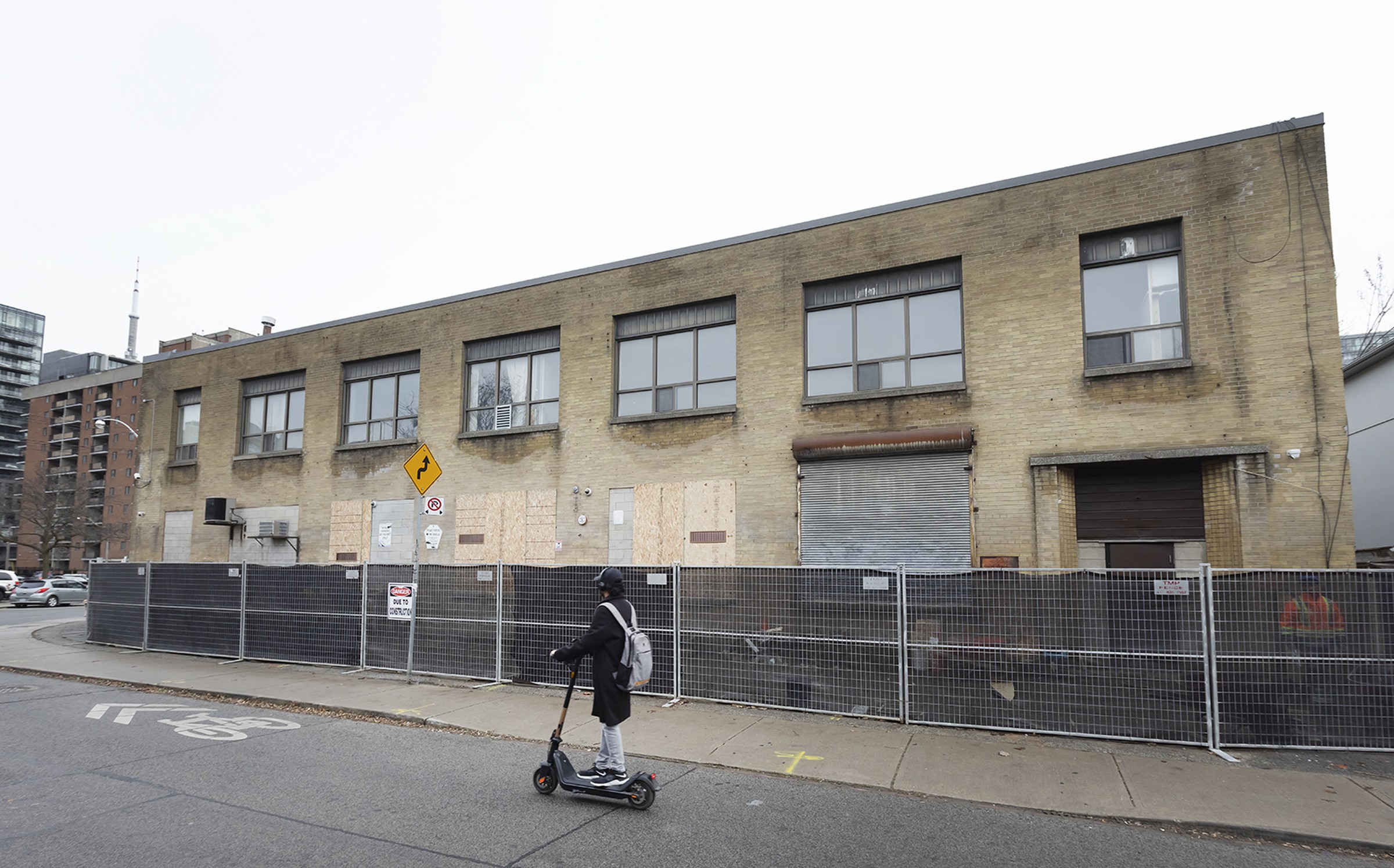
https://smartcdn.gprod.postmedia.digital/nationalpost/wp-content/uploads/2025/01/canada-toronto-homelessness-drug-use-street-violence-overdose-emergency-shelter.jpg?location=full_page&quality=90&strip=all&w=2400&type=webp&sig=NuGMgduWTOfan7HIVVnY3Q
629 Adelaide St. W., which Toronto plans to use as a 50-bed emergency shelter with estimated operating and leasing costs of $45 million over 10 years. It is close to St. Mary’s Catholic Elementary School. Photo by Peter J. Thompson/National Post
"If you're wondering what it's like to live in Toronto..."
"[Instead of] assuring the neighbourhood their concerns would be heard [Mayor Olivia Chow] bemoaned the fact that the neigbourhood had been tipped off! These things are supposed to be secret, so no one can oppose them!"
"Our community is frustrated by the complete lack of communication with the city."
"We would like to have our concerns heard and know the risks involved. What we have right now, through, is crickets."
"Our community understands the need for homeless shelters. This is not up for debate. It is important, however, that when choosing the site for a new shelter, it has to work for both the residents of the community where it is located, and the people who will be using the shelter."
Jennifer Hedger, Scarborough, Ontario

"People are demanding to be heard."
"They think it's incredibly unfair that they are having this decision undemocratically forced on them."
"They're not saying don't do this. What they're saying is give us a seat at the table."
"They're concerned about safety."
Kevin Vuong, Area Member of Parliament
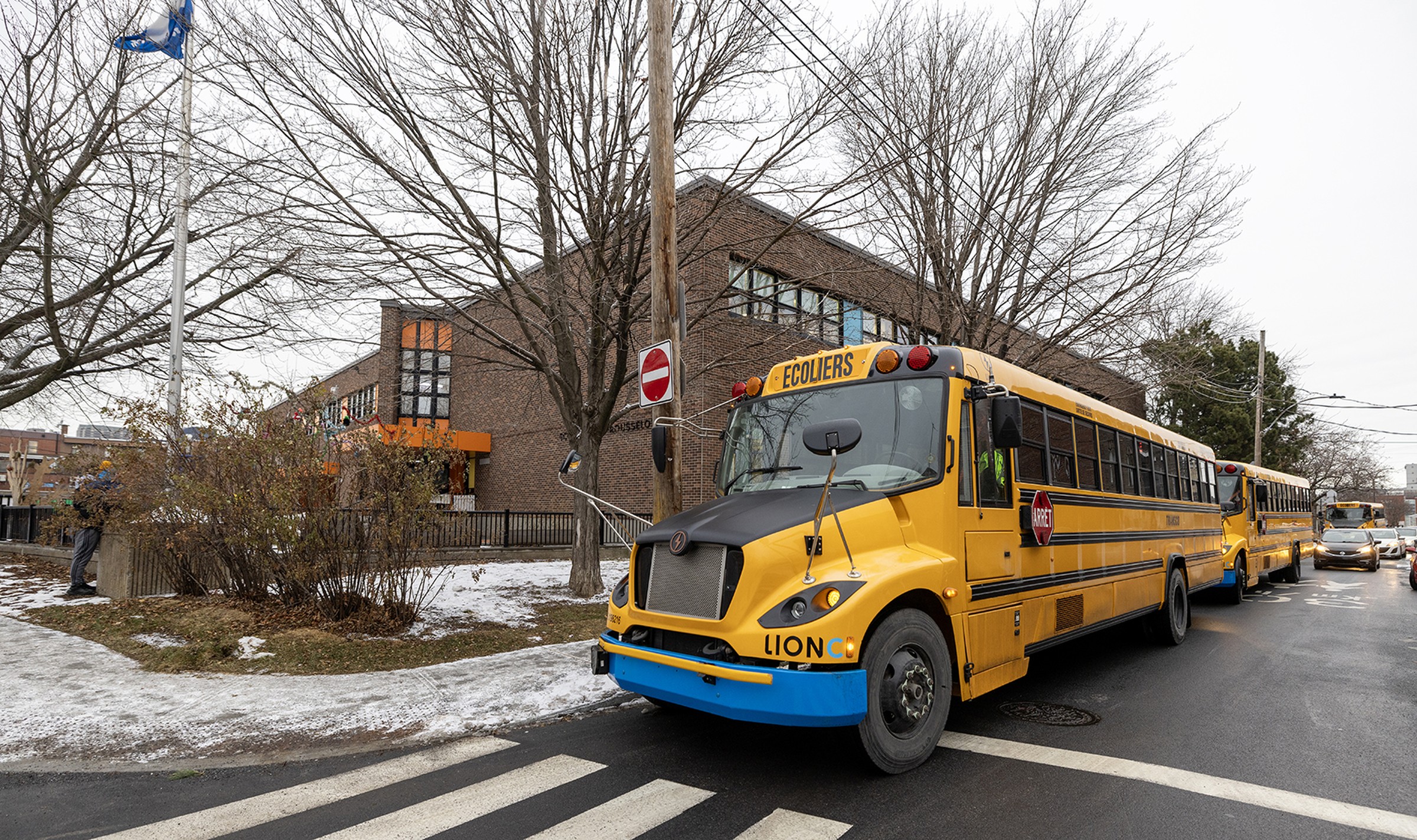
https://smartcdn.gprod.postmedia.digital/nationalpost/wp-content/uploads/2025/01/canada-montreal-school-homelessness-drugs-violence-shelter-inhalation-centre.jpg?location=full_page&quality=90&strip=all&w=2400&type=webp&sig=iA-QFJpg8HS1zI_hF8WZpQ
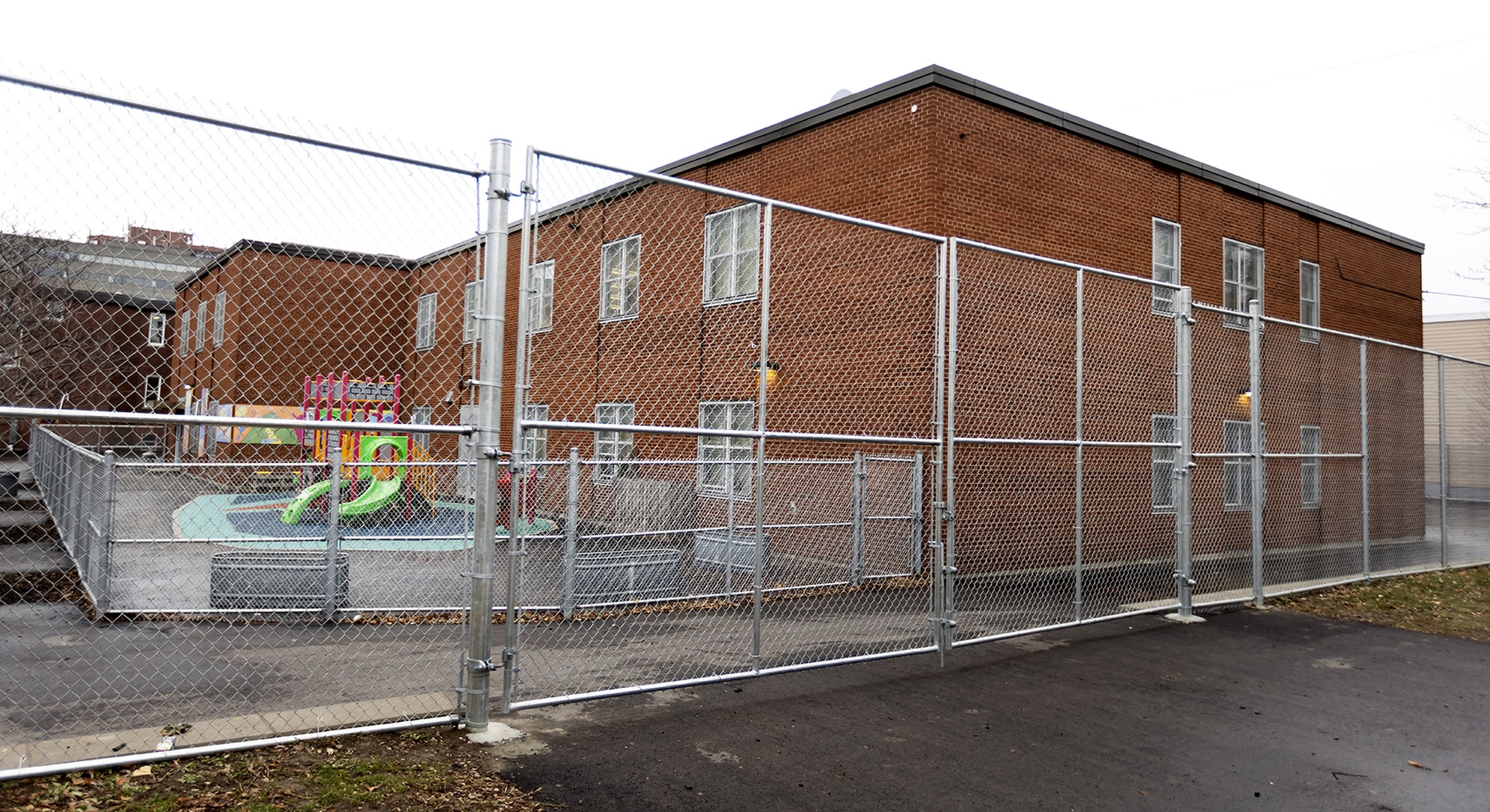
Montreal’s École Victor-Rousselot is just down the street from Maison Benoit Labre transitional housing and inhalation centre. Photo by John Mahoney/MONTREAL GAZETTE
In the larger of Canadian cities such as Toronto, Montreal, Vancouver and Ottawa the demand for beds has soared owing to a skyrocketing increase in immigrants seeking refugee status. Just as their presence has become a weight on all social services while their sheer numbers impact deleteriously on the need to focus on the plight of Canadians who have fallen on hard times, the need to further provide illegal migrants invoking refugee haven in Canada has placed unsupportable stress on already-overworked and inadequate homeless shelters. 

In 2024, a quarter of a million people entered Canada to apply for refugee status, some 20 times the number for all of 2014. The Centre for Addiction and Mental Health (CAMH) released The Shelter Safety Study revealing, among other issues that the annual number of incidents of interpersonal violence taking place in Toronto shelters had increased by 293 percent between 2011 and 2021, at a time when daily service users increased by 66 percent. In addition, incidents including violence rose from about 2,000 per year in 2011 to 10,000 in 2021.

An estimated half of the unhoused population in Toronto struggles with a substance use disorder, compelling reason for the city to be upfront with residents and business owners on where planning for shelter placements are set for, before they become a fait accompli, to be absolutely fair to  nearby residents who learn to their dismay through a grapevine, and not consultation or official statements that their neighbourhoods are slated to host homeless shelters ... and all too often in close proximity to schools.
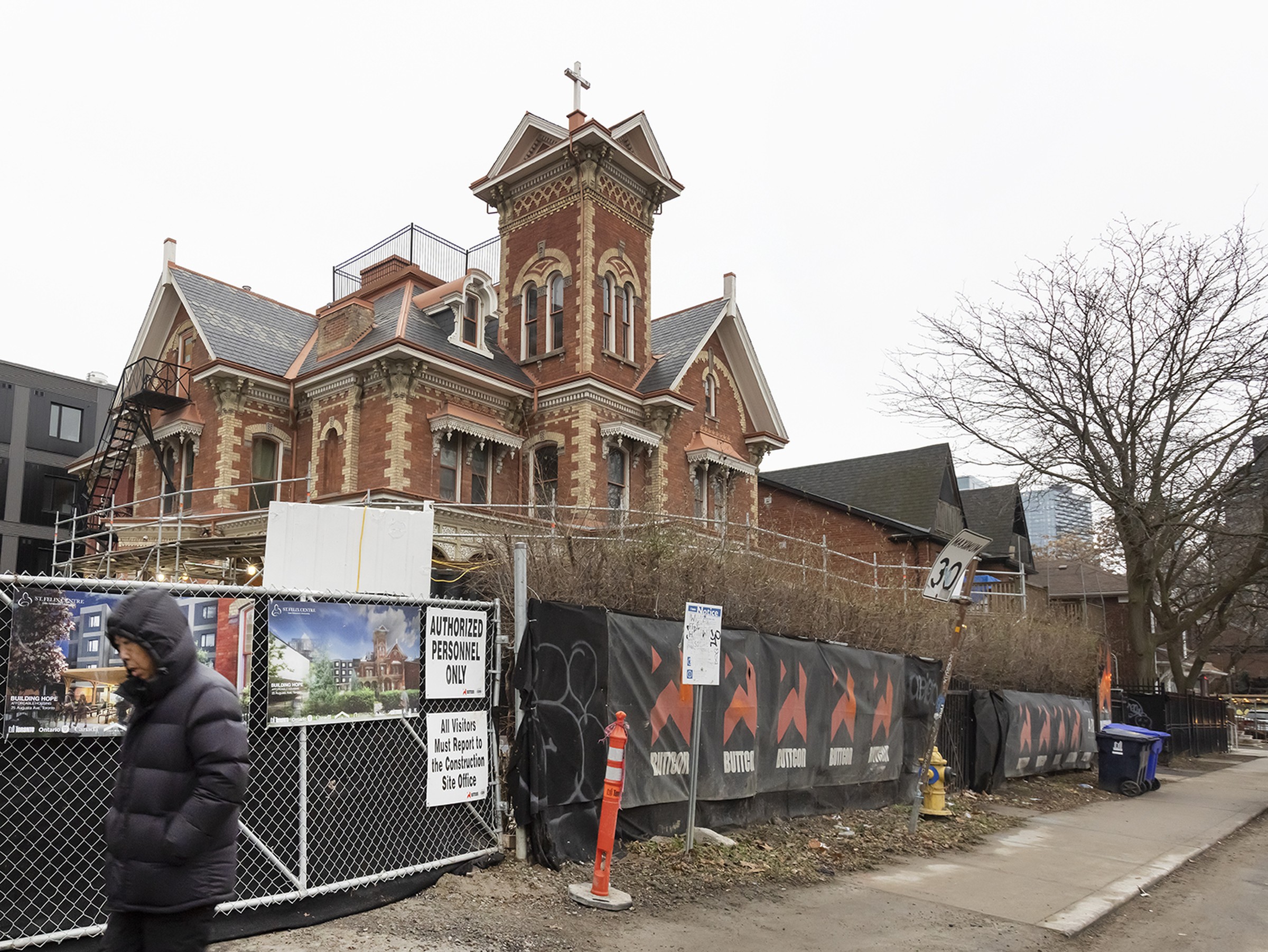
https://smartcdn.gprod.postmedia.digital/nationalpost/wp-content/uploads/2025/01/canada-toronto-homelessness-drug-use-street-violence-overdose-augusta-respite-shelter.jpg?location=column&quality=90&strip=all&w=2400&type=webp&sig=GJDZ4CwwCDp3KqA1-0vQ5A
Toronto’s 25 Augusta Ave. St. Felix Respite Centre gained international attention when a mother of three posted videos of the open drug use and graphic violence her young family was witness to. Photo by Peter J. Thompson/National Post
A troubling lack of transparency and the city's documented inability to follow through on its commitment to see that the facilities are well managed and don't present as a danger to residents makes residents extremely and understandably upset, sending them in droves to confront city officials, demanding accountability. The unsettling situation isn't Toronto's alone. Hundreds of residents gathered at Richmond, British Columbia's city hall protesting a proposed injection site they were told nothing about, to be placed in their neighbourhood.

In Montreal, a coalition came together when parents, residents and businesses found themselves blindsided with news of a building under construction meant to be used as a shelter with a supervised injection component. Located a mere few metres from a fenced-in park used for recesses and lunch breaks by an adjacent elementary school.
 
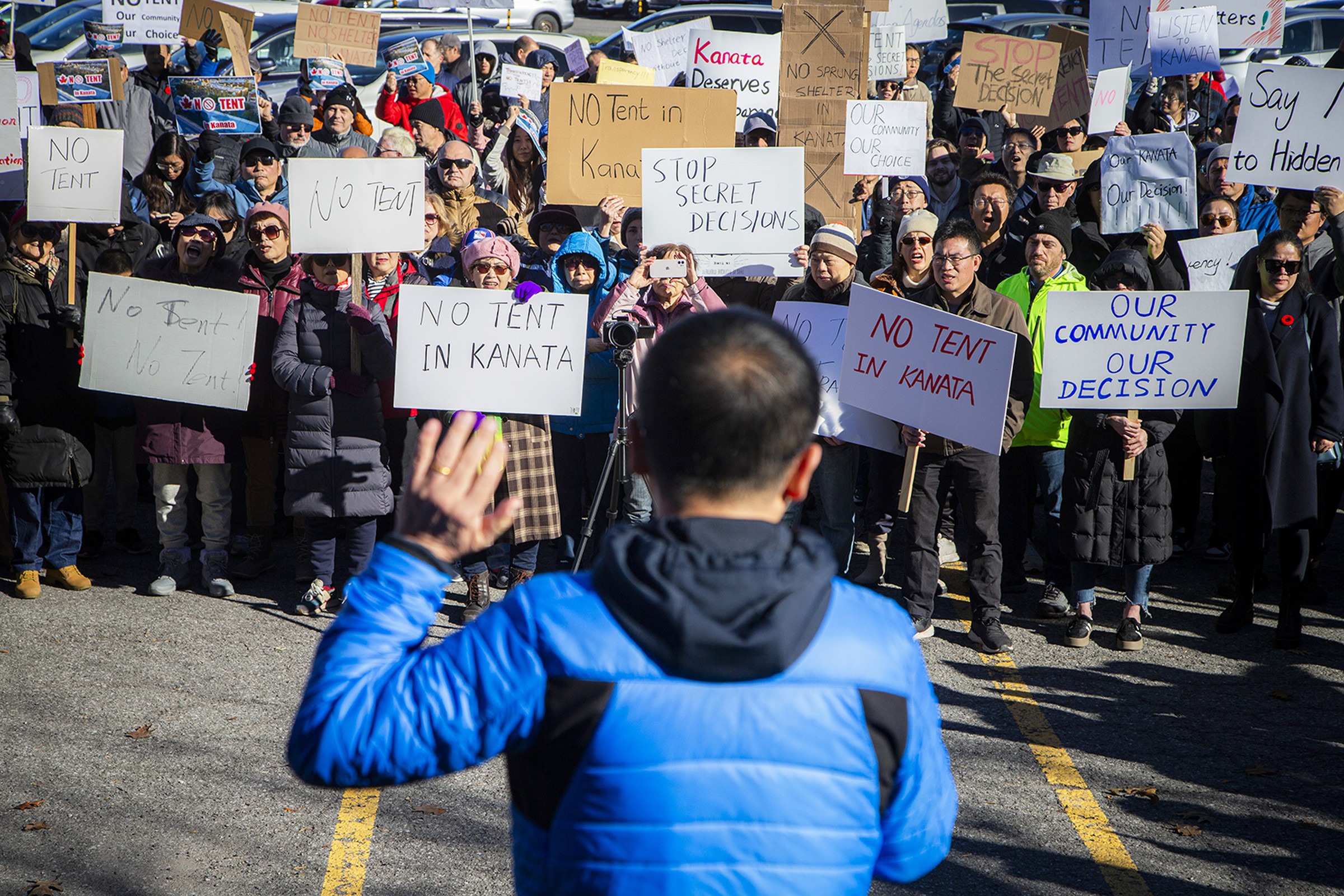
https://smartcdn.gprod.postmedia.digital/nationalpost/wp-content/uploads/2025/01/canada-ottawa-canada-refugee-homelessness-drugs-violence-shelter-inhalation-centre.jpg?location=column&quality=90&strip=all&w=2400&type=webp&sig=a1AAk70ZLxnyi5Ku9AUtsQ
In November 2024, Kanata residents in Ottawa’s west end protested plans to erect “sprung structures” — giant platformed tents — at a park-and-ride lot. Photo by Ashley Fraser/Postmedia News
The Ottawa suburb of Kanata saw protests against the plan by the city to erect a series of sprung structures" (giant platformed tents) at a local commuter park-and-ride for the purpose of accommodating asylum seekers. Residents complained that no community consultation had taken place prior to the announcement. In Peterborough, Ontario the Police Chief stated his force would no longer encourage drug users to relocate to the injection site; henceforth anyone caught using illicit substances outside of the site would be subject to search, their drugs seized, and they possible arrests.

In Scarborough, east Toronto, residents concerned of safety learned through a tip-off, that a respite centre was meant to be placed on one side of the St.Mary's Catholic Elementary School, and a supervised injection site would be placed on the other side of the school. A situation that saw concentrated drug activity in the immediate area. "We see it already. We find needles and condoms at the school", complained one outraged parent. 

A representative of the Catholic school board who supervised three city schools stated: "There's no amount of community liaison you can do with these centres that stops the problems -- which is what children see". School custodians had to be trained to deal with needles, condoms and human waste. No choice was left eventually but to erect massive security fences. "The school is starting to look like a prison -- not super-max but definitely medium security."

Professor Michael MacKenzie whose work at McGill University in psychiatry and pediatrics studies "the trauma-informed treatment of mental health and addictions". He wrote a column titled "A case study on how not to build community trust", setting the record straight on what he and his neighbours close to a site had been experiencing: groups of people injecting drugs, assaults, a man with his pants down masturbating in front of a neighbour's window in broad daylight, and sex acts on the sidewalk.
https://smartcdn.gprod.postmedia.digital/nationalpost/wp-content/uploads/2025/01/toronto-homelessness-shelter-drug-use-street-violence-overdose-st-marys-school.jpg?location=full_page&quality=90&strip=all&w=2400&type=webp&sig=68SBjwo19XxEuoR4piy6Pg
A supervised injection site opened in 2017 near St. Mary’s Catholic Elementary School in Toronto, forcing the board to train staff to deal with needles, condoms and human waste and, eventually, erect tall security fences. Photo by Peter J. Thompson/National Post
"You think it's safe when a bullet comes flying out of one of these sites in Toronto to kill a mother?"
"You think it's safe to have people using heroin and crack and cocaine next to a playground?"
"[Supervised injection sites] They're drug dens. And they've made everything worse everywhere they've been done."
Leader of the Parliamentary opposition Conservative Party, Pierre Poilievre

Labels: , , , , , ,

() Follow @rheytah Tweet