Politic?

This is a blog dedicated to a personal interpretation of political news of the day. I attempt to be as knowledgeable as possible before commenting and committing my thoughts to a day's communication.

Wednesday, March 25, 2026

Fears of Nuclear Fallout From U.S.-Israel Iran Conflict

"Where is all this going?" 
"The schools are closed, and air sirens are ringing multiple times a day, and distant booms keeps more people at home farther from public places."
"But my company is booming -- cashing in on the crisis -- as more and more people opt to leave, with land routes now the only way out."
Egyptian taxi driver in Kuwait
 
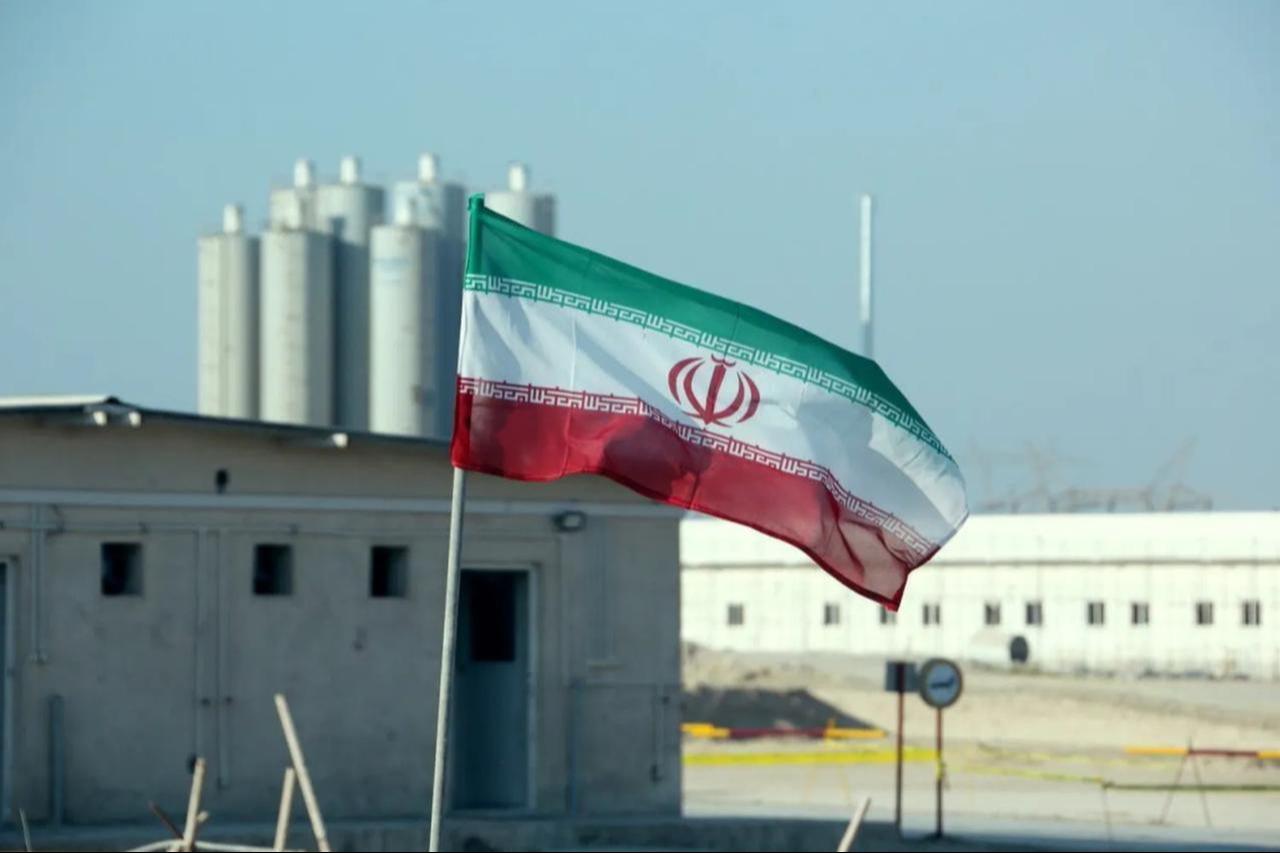
"Weeks into the U.S. and Israeli war with Iran, alarm is mounting after a series of strikes targeting sensitive nuclear facilities, including reported damage last week metres from the reactor of Iran's Bushehr Nuclear Power Plant -- located just across the Gulf from Kuwait."
Mohamed Fahmy, journalist, Kuwait City 
https://img.turkiyetoday.com/images/2026/3/25/kuwait-issues-radiation-warning-for-citizens-as-fears-mount-over-irans-bushehr-plant-3216867_20260325132201.jpg
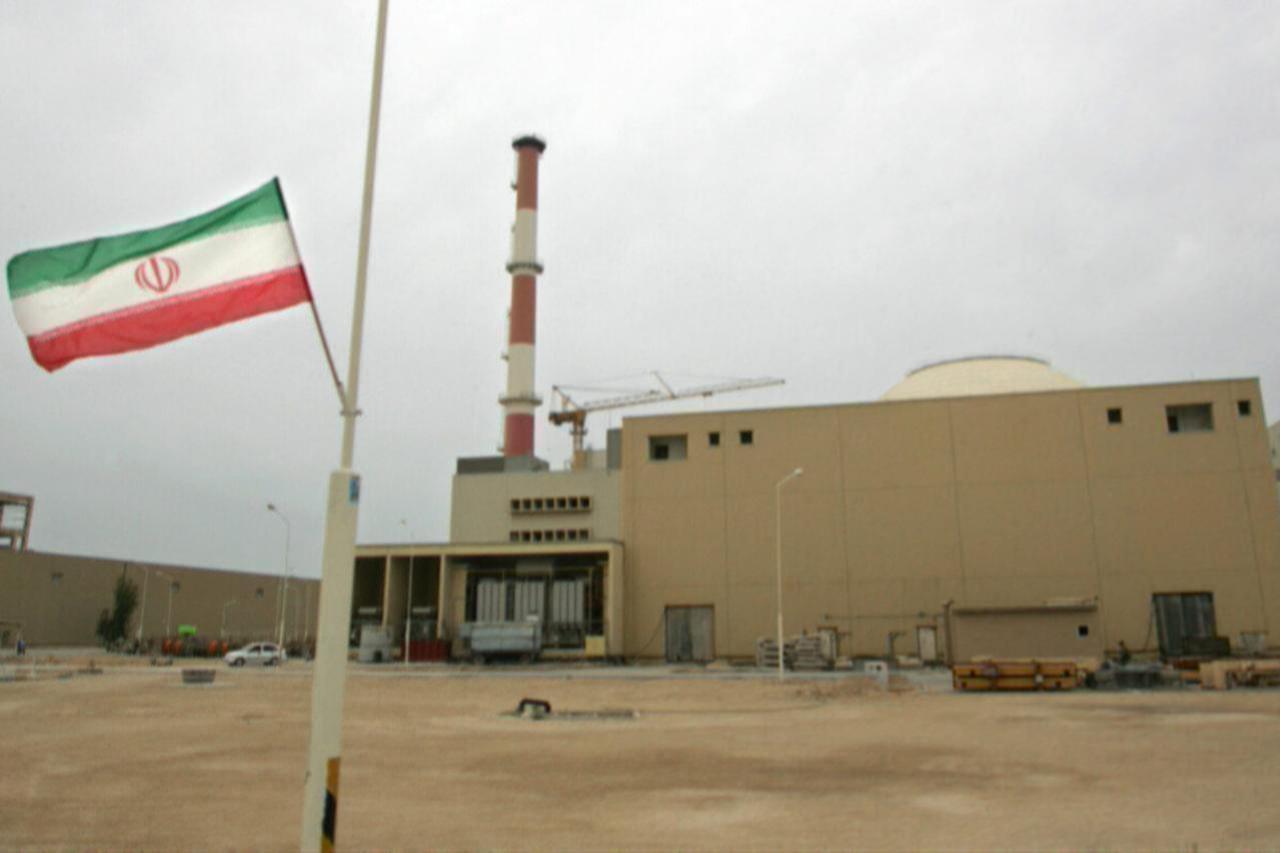
An Iranian flag outside the building housing the reactor of the Bushehr nuclear power plant in southern Iranian port town of Bushehr, 1200 km south of Tehran, Iran. (AFP Photo)
 
Just 275 kilometres' distant across the Gulf from Kuwait, the Bushehr Nuclear Power Plant's proximity is a threat to Kuwait; its geographic placement threatening that prevailing northwesterly wind has the potential to carry nuclear radiation contamination toward Kuwait in the event of a radioactive release should the plant be hit by a missile. According to nuclear authorities, should a severe incident occur at Bushehr, the result would be comparable to the breakdown of the Chernobyl plant in Ukraine. 
 
The director general of the International Atomic Energy Agency, Rafael Grossi, calls for maximum restraint while warning continued strikes in the area risk a nuclear accident being triggered while conflict between the United States, Israel and Iran goes into its fourth week. "An accident at an operating nuclear power plant would be something very, very serious. This is the reddest line of all in nuclear safety", he warned grimly.
 
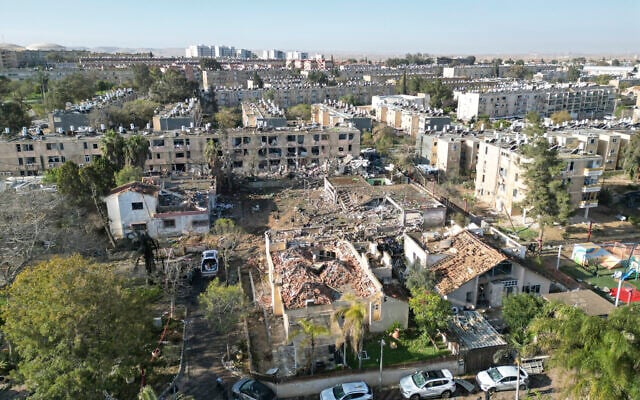
In its tit-for-tat responses, hours following the Natanz enrichment complex in Iran being struck on Saturday, Iran launched retaliatory ballistic missile strikes on the towns of Dimona and Arad in southern Israel, where 180 people were injured. This strike, as inaccurate as it was, served as a warning that the Islamic Republic's reach is as far as has been feared possible. A mere 13 kilometres from Israel's strategically sensitive Negev Nuclear Research Center.
 
Hundreds of ballistic missiles and drones have been launched by Iran across Kuwait and neighbouring Gulf states that include the UAE, Bahrain, Saudi Arabia and Oman. Oil refineries, gas installations and major ports and airports have been targeted across the Gulf by Iran. This is the face of Iran that its Gulf partners have always feared. Their cautious opposition and awareness of the Islamic Republic's drive to spread its volatile Islamist fundamentalism linked to its striving for uranium enrichment and resulting warheads for its ballistic missiles has created an atmosphere of fear and apprehension among its neighbours.
 
https://static-cdn.toi-media.com/www/uploads/2026/03/F260322CG135-1-640x400.jpg
The scene where a missile fired from Iran impacted in the southern Israeli city of Dimona, March 22, 2026. (Chaim Goldberg/Flash90)
 
Not the least of which is the State of Israel, which is itself a discreet nuclear power, knowing that its survival is in Tehran's Shiite-jihad crosshairs should they ever succeed in their nuclear mission. The Middle East Arab Sunni states, while relaxing their historic hostility to Israel's presence, have been content to watch on the sidelines as Israel and the Iranian regime confront one another, in the hope that Israel would prevail and solve their Iran-problem for them. 
 
Now, in the ongoing conflict where U.S. and Israeli aerial bombardment is bludgeoning Iran's government and military infrastructure along with its weapons caches, Iran, now in the complete control of the Islamic Revolutionary Guard Corps, warns that the region's infrastructure would be hit should the U.S. president's threats come to fruition. The most recent retaliatory barrage was a taste of what could be intensified. Air defence forces in Kuwait managed to intercept and destroy dozens of missiles and drones, though some slip through.
 
A number of major international and national organizations have been actively preparing for the possibility of a nuclear 'incident'. The World Health Organization is preparing for a "worst-case scenario" involving nuclear risks. It has taken to a repeat of staff training on emergency response protocols and reinforcing radiation-related health risk guidance. Contingency plans are  being updated across 13 countries in preparation for possible strikes on nuclear facilities ... even use of a nuclear weapon.
 
Facilities equipped with specialized ventilation systems, food supplies, bunk beds, prayer areas, medical clinics and decontamination and clothing disposal units are being prepared through the establishment of 195 public shelters in Kuwait for the protection of their civilians, using schools and university sites. More Gulf nations are being drawn into the kind of conflict they had long thought of and hoped to be able to avoid. The spectre of a direct hit on a nuclear site could result in a humanitarian crisis in more than one country in the Middle East, as Iran implodes while striking out to punish its enemies. 
 
https://img.turkiyetoday.com/images/2026/3/25/kuwait-issues-radiation-warning-for-citizens-as-fears-mount-over-irans-bushehr-plant-3216867_202603251322_20260325132201_1.jpg
Iranian flag flies at the Bushehr nuclear power plant in Iran, accessed on Feb. 1, 2026. (AFP Photo)
 

Labels: , , , , ,

Friday, July 23, 2021

Wuhan Institute of Virology Hypothesis 'Politicized'

"Peter Daszak is in many ways typical of the international world of disease prevention. As the president of EcoHealth Alliance, Daszak has spent millions of dollars of grant money from the National Institutes of Health in recent years. His organization's special focus is on preventing the outbreak of emerging diseases, such as coronaviruses. He was deeply involved with the Wuhan Institute of Virology (WIV) because his organization had funded bat coronavirus research that lab was doing when the COVID-19 outbreak occurred in late 2019."
"Daszak has been a good friend to the Wuhan Institute of Virology and the Chinese Communist government that runs it for years. His role in trying to discredit the lab leak theory has come under scrutiny amid a pronounced shift in media attention towards the theory and amid revelations about Daszak's own ties to the Institute."
"Early in the pandemic, Daszak was behind the creation of an open letter, signed by several scientists, which squarely rejected the suggestion that a lab accident at the WIV may have released the virus into the city of Wuhan. Daszak did not disclose his conflict of interest when signing the letter, which would receive significant coverage in news reports purporting to debunk the lab leak theory."
Peter Schweizer, President, Governmental Accountability Institute, U.S.
WHO inspector has conflict of interest in Wuhan COVID probe: Prominent biologist
Shi Zhengli ('Batwoman' center) and Peter Daszak (far right). (Emerging Viruses Group)

"We will not accept such an origins-tracing plan as it in some aspects, disregards common sense and defies science."
"We hope the WHO would seriously review the considerations and suggestions made by Chinese experts and truly treat the origin tracing of the COVID-19 virus as a scientific matter, and get rid of political interference." 
"[China has always supported] scientific virus tracing [and wants to see the study extended to other countries and regions]. However, we are opposed to politicizing the tracing work."
Zeng Yixin, vice minister, National Health Commission, China
Zeng Yixin, vice minister of the National Health Commission, speaks at a news conference at the State Council Information Office, in Beijing, on July 22   Mark Schiefelbein, The Associated Press
"Without Chinese cooperation, WHO's hands are tied, international hands are tied, and our ability to identify the origins of the virus will be much reduced."
Mara Pillinger, senior associate, global health policy and governance, O'Neill Institute for National and Global Health Law, Georgetown

"We believe a lab leak is extremely unlikely and it is not necessary to invest more energy and efforts in this regard."
"[More animal studies should be conducted particularly in countries with bat populations]."
"In the next step, I think animal tracing should still be the priority direction. It is the most valuable field for our efforts."
Liang Wannian, Chinese team leader, WHO joint expert team
The World Health Organization's first investigative team arriving in China in February of this year was significantly hampered by the guidance and continual presence of Chinese authorities vetting their every move, informing them what they could and could not do, offering them limited opportunity to visit areas of concern in their investigation of the origins of the SARS-CoV-2 virus causing the global pandemic. Vital data that would have afforded the investigative team important information in their study was held back, so the conclusion reached was fairly predictable; no idea really how, where and why COVID emerged.

Unlikely, however, that it was the result of a laboratory accident where a pathogen under study at the Wuhan Institute of Virology somehow escaped to wreak havoc first in Wuhan then across the great wide world. On the team was a virology expert with direct ties to the Wuhan laboratory, and his influence certainly went far in convincing the other members of the WHO team that a laboratory 'escape' could not possibly have occurred.

Among the world's leading virology scientists much criticism of the report erupted, and by extension criticism of of the World Health Organization itself, leading its head, Director General Tedros Adhanom Ghebreyesus to speculate that there might be something to the lab escape theory after all, and that another, more extensive, in-depth scrutiny might be in order. He did, in fact, order such a second investigation, expressing the hope that Beijing would be fully co-operative and open to the venture.

But it was not to be. Mr.Zeng, China's vice minister of its National Health Commission together with Chinese experts urged the WHO, even as they poured cold water on any cooperation on China's part with a second investgation as to the origins of COVID, recommended an expansion of origin-tracing beyond China to encompass other countries. It has always been China's contention that the original infection was sourced elsewhere than China. 

Other countries, suggested Liang Wannian, the Chinese team leader on the joint expert team of the WHO, had another brilliant idea, that further animal studies be undertaken in countries with their own bat populations so that if evidence was unearthed incriminating other countries they needed to explore in depth whether any of them could have experienced a laboratory leak leading to the global pandemic. Back to square zero with Beijing.

Because Beijing claims that the issue has been 'politicized', the WHO's intention to study the origins of the coronavirus where it began, investigating audits of laboratories and markets in Wuhan, with the express aid of Chinese authorities simply isn't going to occur. The WHO's plan of action having listed the hypothesis of a violation of laboratory protocols in China was a direct assault on the scientific integrity of Chinese science, and therefore 'political'.
 
Strange that, since in 2010, Shi Zhengli director of the Centre of Emerging Diseases at the Wuhan Institute of Virology and a bat expert, published a paper describing a scenario where infected rodents led to a deadly virus leaked from a Chinese lab. The paper's title was: "Hantavirus outbreak associated with laboratory rats in Yunnan, China," of an outbreak of hantavirus hemorrhagic fever with renal syndrome at a college in Kunming as the result of a lab leak in 2003.
 
And Peter Daszak, renowned zoologist and molecular biologist in 2015 co-authored an article in the journal Nature titled, "Spillover and pandemic properties of zoonotic viruses with high host plasticity," where he wrote that zoonotic virus spillover from wildlife was "most frequent" in a number of settings and occupations, including "laboratory workers." He also warned that laboratories are one of the most dangerous settings for major spillover events. 

Peter Daszak (R), Thea Fischer (L) and other members of the World Health Organization (WHO) team investigating the origins of the Covid-19 coronavirus, arrive at the Wuhan Institute of Virology in Wuhan in China's central Hubei province on February 3, 2021.
Peter Daszak (R), Thea Fischer (L) and other members of the World Health Organization team investigating the origins of the Covid-19 coronavirus, arrive at the Wuhan Institute of Virology in Wuhan  on February 3, 2021.  HECTOR RETAMAL | AFP | Getty Images

Labels: , , , , ,

Wednesday, March 31, 2021

COVID's Elusive Origins : WHO Report

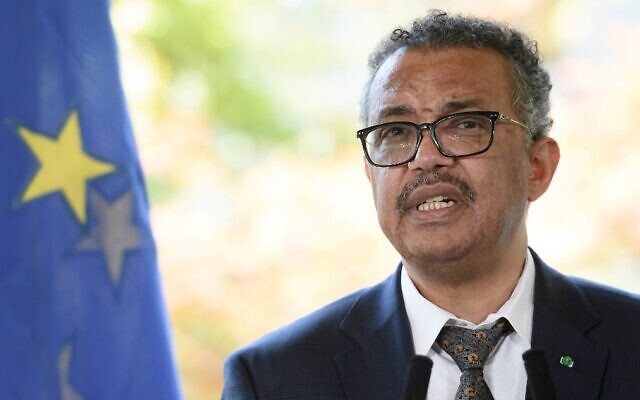
World Health Organization (WHO) Director-General Tedros Adhanom Ghebreyesus speaks during a press conference at the World Health Organization headquarters in Geneva on June 25, 2020. (Fabrice Coffrini/AFP)
 Tedros Adhanom Ghebreyesus Fabrice Coffrini/AFP
"Although the team has concluded that a laboratory leak is the least likely hypothesis, this requires further investigation, potentially with additional missions involving specialist experts, which I am ready to deploy."
"[The international expert team had] expressed the difficulties they encountered in accessing raw data [while in China]."
"[The report also] raises further questions that will need to be addressed by further studies."
"I expect future collaborative studies to include more timely and comprehensive data sharing."
Tedros Adhanom Ghebreyesus, Director-General, World Health Organization
 
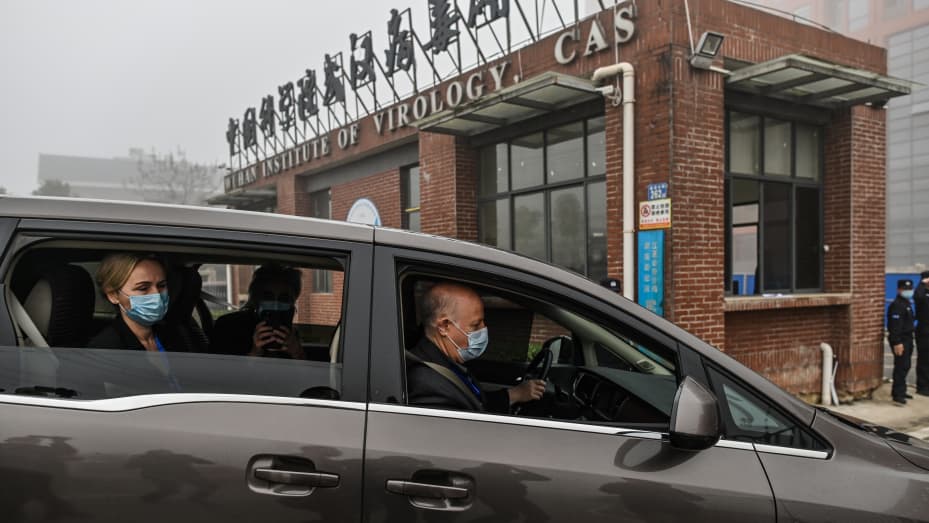
Members of the World Health Organization (WHO) team investigating the origins of the novel coronavirus arrive by car at the Wuhan Institute of Virology in Wuhan, in China’s central Hubei province on February 3, 2021. (Hector Retamal/AFP)

"I still think the most likely etiology of this pathogen in Wuhan was from a laboratory escape."
"Other people don't believe that, that's fine, science will eventually figure it out."
Robert Redfield, virologist, former head, Centres for Disease Control

"[The Institute saw] no disruptions or incidents."
"[A formal audit of the laboratory was] far beyond what our team is mandated to do or has the tools and capabilities to do."
"The fact that we assessed this hypothesis [that the SARS-CoV-2 virus escaped from the Wuhan Institute of Virology lab] as extremely unlikely doesn't mean it's ruled out."
Peter Ben Embarek, WHO investigative team
"We were allowed to ask whatever questions we wanted, and we got answers. The only evidence that people have for a lab leak is that there is a lab in Wuhan."
"A thousand samples [of animals sold at the Huanan market when the WHO investigative team took samples from 188 animals of 18 species at the market, all of which tested negative] is a great start, but there’s more to do."
WHO team member Peter Daszak
Woman selling live chickens and ducks in cages at a food market in Lanzhou, China
Animal markets like this one in China could be a source of the COVID-19 pandemic, according to the WHO report.   Credit: Eric Lafforgue/Art In All Of Us/Corbis via Getty

The World Health Organization's investigative team of ten travelled to Wuhan, China for the express purpose of conducting an unbiased, scientific survey of any available evidence in an attempt to determine the source of the SARS-CoV-2 virus that swept the world when it first surfaced as a strange new pneumonia-like pathogen deadlier and more infectious than most viruses that erupt from time to time in the East and spread eventually worldwide. The WHO team had plenty of local assistance in their diligent search for answers during their two-week stay.

There were quite a few interviews and on-site examinations, bearing in mind that the team had to first isolate on arriving in China before they could proceed. With them throughout their investigative exercise was a matching team of Chinese scientists to give them aid and direction, some 17 in number. The People's Republic of China was deeply and sincerely invested in the search for the origins of the novel coornavirus, making certain that at all times the WHO researchers were escorted by Chinese officialdom.

WHO microbiologists and medical researchers fully intended to do a thorough and creditable job of searching for answers while conducting interviews under constant supervision in the presence of government officials. Needless to say every individual who was questioned to gain a wider and more full understanding of what had occurred would have been under a certain level of constraint, testifying under the fixed scrutiny of government agents. In their minds no doubt, the fate of Li Wenliang accused of 'spreading harmful rumours' when he first alerted his colleagues to the presence of a threatening new virus. Before he himself died of COVID.

"It's essentially a highly-chaperoned, highly-curated study tour ... this group of experts only saw what the Chinese government wanted them to see", explained Jamie Metzl, former senior adviser to then-U.S.President Bill Clinton. What is known is simply that a novel coronavirus erupted from some source within walking distance of the high-security laboratory under the aegis of the Wuhan Institute of Virology specializing in the study of coronaviruses. It is also known that the laboratory is located not far from the wild animal 'wet' market where both domestic animals and exotic animals were sold, dead and alive.

And it was the market that Chinese authorities pointed to as the unfortunate source of cross-species, animal-to-human viral vector. These wet markets exist throughout Asia where an insatiable appetite for exotic animals like bats, snakes, pangolins and many other creatures can be satisfied. Crossing the species barrier for pathogens is rare, but it does happen. It did with AIDS and we know what agony that led to throughout the world.
"We could show the virus was circulating in the market as early as December 2019."
"A lot of good leads were suggested in this report, and we anticipate that many, if not all of them, will be followed through because we owe it to the world to understand what happened, why and how to prevent it from happening again."
Peter Ben Embarek,  co-leader, WHO investigative team
Long before the novel coronavirus was identified, the Wuhan Institute of Virology had come in for lax safety regulation criticism when a U.S. team of scientists had visited the premises and felt alarm at the situation prevailing there. That very same laboratory is involved in a security breach that took place in Canada's own National Microbiology Laboratory in Winnipeg when a high-profile Chinese scientist and her husband, both employed there, were escorted from the lab never to return. Involved in an unauthorized transfer of highly sensitive biological samples from there to the Wuhan lab.

The team of WHO investigators appear to have reached the conclusion through a joint report that a lab escape of the coronavirus was to be regarded as "extremely unlikely" following a brief examination of the Wuhan Institute of Virology. Four hours were spent at the facility by the WHO team, the investigation limited to interviews with laboratory staffers where the investigators were informed that no disruptions or incidents occurred, and nor did the WHO investigators request collaborative documentation.

The Beijing government appears to have withheld case data from outside investigators, the WHO team no exception. China, it would appear, deigned not to honour a request to turn over 174 health records from the first patients in Wuhan to contract COVID-19: "They showed us a couple of examples, but that's not the same as doing all of them, which is standard epidemiological investigation", explained Dominic Dwyer of the WHO team.

What the WHO team reported was that 92 cases of Wuhan patients exhibiting COVID-like symptoms were documented in October of 2019, quite a few weeks before the officially recognized first cases were reported by the Chinese government. The investigators were given Chinese assurances that serological tests indicated no link to COVID-19.


Labels: , , , , ,

Friday, March 12, 2021

Looking for Answers to COVID Derivation in China

"The new lab has a serious shortage of appropriately trained technicians and investigators needed to safely operate this high containment laboratory."
U.S. Diplomatic cable

"It's a fabulous piece of virology by the Chinese group and it's very impressive, but they haven't been thinking clearly about what they are doing."
"It's very worrying."
Simon Wain-Hobson, virologist, Paris Pasteur Institute

"[The Chinese government was responsible for the most] ambitious, agile and aggressive disease containment effort in history."
"The deep commitment of the Chinese people to collective action in the face of this common threat [is beyond praiseworthy]."
World Health Organization report

"So it was apparent [that the investigation was marred by clear political tension]  and there were people from foreign affairs in China attending our meetings and so on."
"It was at times tense, but always very well mannered and good humoured."
"The group [WHO investigators] wasn't designed to go and do a forensic examination of lab practise in Wuhan, China]."
Dominic Dwyer, microbiologist, Austrian WHO investigative team
The WHO team arrive at ghe heavily guarded Wuhan Institute of Virology on Wednesday.
The WHO team investigating the origins of the novel coronavirus arrives at the heavily guarded Wuhan Institute of Virology in China in February. Photograph: Héctor Retamal/AFP/Getty Images
 
Much-needed answers to questions regarding the true provenance of the SARS-CoV-2 virus causing COVID-19 remain elusive. China's initial identification of a wet market in Wuhan as the source of the novel coronavirus cross-species-infection from animal to human was proven to be untrustworthy. And as the virus flamed out of China to invade the world at large, the peculiar coincidence of a virology laboratory located in sneezing distance of where the first COVID cases were detected raised suspicions that all was not as revealed.

China's first BSL-4 laboratory, a classification representing facilities equipped to deal with dangerous pathogens, was located adjacent the Wuhan Institute of Virology. The laboratory had most recently been involved in research on coronaviruses and in particular on bat coronaviruses, the very type believed to be most closely related to the virus causing COVID-19. U.S. diplomats visited the Wuhan Institute of Virology in 2018.

What they saw there persuaded them to send a cable to Washington with a warning about the lax standards at the facility and the risk it potentially posed of possibly becoming the future source of a pandemic. In January of 2021 the State Department claimed it had evidence staff at the Chinese institute were revealed to have symptoms now known to be those of  COVID-19, back in the fall of 2019.

This would not have been the first time that a high-security virology laboratory in China posed as a possible source of runaway globe-altering pathogens on the loose. The Harbin Veterinary Research Institute in 2013 had been accused of "appalling irresponsibility" when scientists there mixed avian and human influenza viruses in the creation of a new and potentially deadly hybrid. Dr.Simon Wain-Hobson, a virologist in France warned that the lab might have created a virus with the potential to be the cause of between 500,000 and 100 million global deaths.

When a serious security breach took place at the National Microbiology Laboratory in Canada in July of 2019, Chinese researchers Xiangguo Qiu, her husband and a Chinese student were escorted from the Winnipeg facility by RCMP and questioned regarding a shipment of Ebola and henipavirus samples, both pathogens flown without adequate safeguards out of the laboratory to Wuhan. There has been silence ever since, no explanation for the event, but the suspicion lingers of scientific espionage.
 
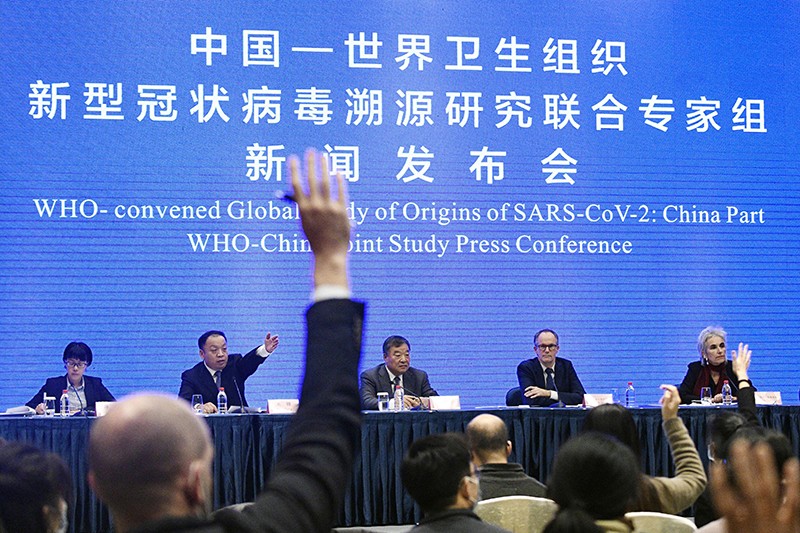
A panel in front of a blue screen with Chinese and English writing on it. People in the crowd are raising their hands.

The World Health Organization investigation team discussed the conclusions of its investigation at a press conference in Wuhan, China, on 9 February.   Credit: Kyodo News/Getty

Australia boldly insisted the world required a thorough probe into the origins of COVID-19. Beijing has since exacted a number of penalties on Australia, an important trading partner with China. Threats and attempts at forcing Australia to stand down have been numerous. Eventually the World Health Organization agreed to a more neutral version of the Australian proposal and dispatched a team of ten researchers to China for a two-week period. The team was assigned to conduct interviews and review reports, all under strict surveillance by Chines authorities.

The microbiologists at the Wuhan laboratory knew full well that Chinese authorities expect them to say little and certainly nothing incriminating. Beijing made a point of threatening any medical personnel at the beginning of the epidemic in Wuhan that their professional accreditation would be endangered if they failed to behave with proper circumspection. "If the officials had disclosed information about the epidemic earlier I think it would have been a lot better", ophthalmologist Li Wenliang stated.

Shortly afterward the young physician who had been interrogated over having alerted his professional peers to the presence of a strange new and deadly pneumonia-like virus that had entered hospitals, was dead himself from the lethal effects of having contracted COVID. Beijing was found to be funding research into COVID's origins and at the same time censoring results through a specialized task force. Scientists working on bat coronaviruses have had samples confiscated and orders were given to avoid speaking to the press.
WHO team
Peter Daszak of a World Health Organization team rolls up a vendors layout map of Huanan Seafood market after signing on it as he prepares to leave his hotel for the airport at the end of their WHO mission to investigate the origins of the coronavirus pandemic in Wuhan in central China's Hubei province Wednesday, Feb. 10, 2021. (AP Photo/Ng Han Guan)

Labels: , , , , ,

Tuesday, February 02, 2021

Beijing, Vindicating Itself

An old man looking at somewhere far away from him
Mr Zhang's father (Supplied: Zhang Hai)
"Very important site visits today -- a wholesale market first & Huanan Seafood Market just now."  "Very informative & critical for our joint teams to understand the epidemiology of COVID as it started to spread at the end of 2019."
Peter Daszak, zoologist with U.S. group EcoHealth Alliance, member of WHO team
 
"The government's first priority is to protect the people's health and safety, but it failed to inform the public as soon as the coronavirus outbreak happened."
"My father, a very patriotic soldier, had devoted his youth to the nation … but he was killed by COVID-19 in his later life."
"The epidemic would never happen if the government had truly put the people's interest [as their] first priority."
"[He wouldn't trust visits organized and limited by the Chinese government, and thought the information patients gave could be] highly suspicious."
"They could have been trained many months ago, and been ordered to stage and repeat the government's narrative."
"I am highly concerned that the WHO experts in Wuhan are not a match for these counterfeiters."
 Zhang Hai, 51, Wuhan resident
 
WHO experts went to an exhibition in Wuhan
The WHO team visits an exhibition about the Government's successful response to contain the coronavirus in Wuhan on Saturday.   (AP: Ng Han Guan)
"[I had] police interviews, cameras pointing at home, and dismissal from work. They pressured my families, stalked my activities, which is completely unscrupulous."
"[I am told] don't contact the foreign media, because it will be used by anti-China forces, which is detrimental to our country."
"I just want everyone to know that the government is a murderer for hiding the epidemic."
 Parent who lost an only child

Government propaganda for the Chinese Communist Party officially denies it was in any way irresponsible over its handling of the SARS-CoV-2 virus that causes COVID-19, over charges that it waited too long to warn the international community and the World Health Organization of its discovery of a strange new pneumonia-like illness that was plaguing people in Wuhan City. Its assurance when it did alert the WHO that person-to-person transmission was unlikely was inaccurate and harmful to the world's understanding of what was unfolding.

Not only does Beijing deny that it acted in anything but a responsible manner, but it also denies that the virus itself first emerged in Hubei Province, northern China. Rather, the propaganda slyly insists it emerged elsewhere, abroad, and was imported to China. That happened in one of two ways, they claim; either through infected frozen meat exported by a European country into China, or it was deliberately brought to China by U.S. agents. 

Beijing's inexcusable attempts to hide the presence of a new, highly contagious and lethal-to-the-elderly virus, its silencing of physicians in Wuhan hospitals who raised the alarm, threatening them and accusing them of spreading 'false news', also did not happen, but represents a malicious attempt on the part of the West to smear China. Casually speaking of the virus as the 'Wuhan virus', or the 'Chinese virus' sends Beijing into paroxysms of fury, but not a word is murmured by the WHO about racism when the media speak of the new 'U.K.' mutation', or the 'South African' variant.

Beijing screamed bloody murder and called it racism when other countries began to close their borders to China, and the World Health Organization chastised those that did, wagging a finger of racism at them as well. Yet once China succeeded during the first wave of the coronavirus to achieve a measure of control, it closed its borders to entry from abroad, where Italy and Spain in particular were experiencing a crisis in runaway COVID infection rates overwhelming their health care systems.

Wuhan
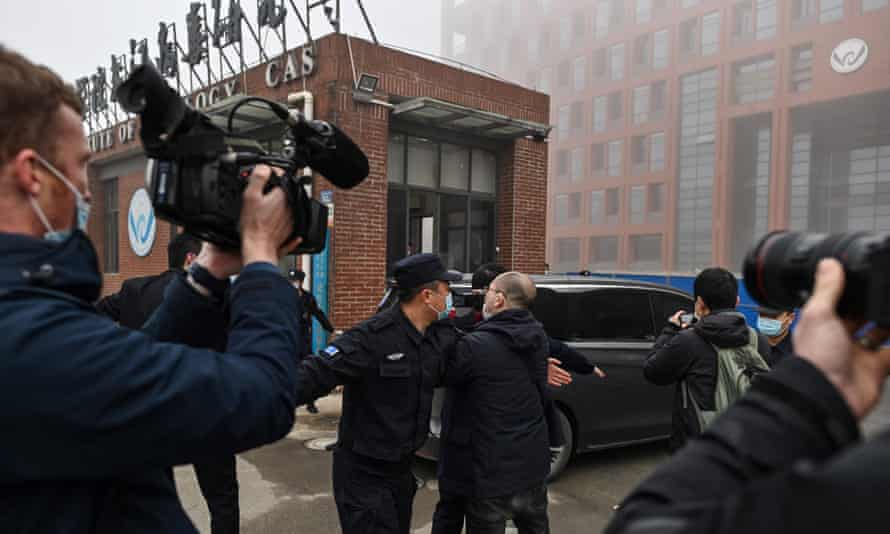
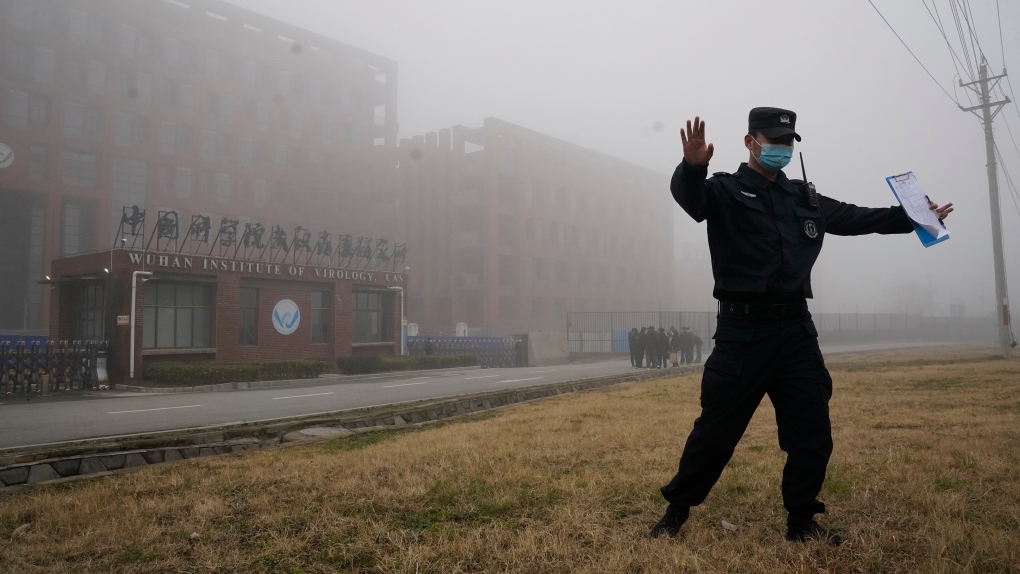
A security person moves journalists away from the Wuhan Institute of Virology after a World Health Organization team arrived for a field visit in Wuhan in China's Hubei province on Wednesday, Feb. 3, 2021. The WHO team is investigating the origins of the coronavirus pandemic has visited two disease control centers in the province. (AP Photo/Ng Han Guan)

American authorities and some U.S. bioscientists raised the possibility that the virus was an escapee of a biohazard laboratory located not far from the Wuhan live meat market which sold pangolin, wolf cubs, bats, snakes and other live animals for slaughter for the human palate and where the presence of the SARS-CoV-2 virus was first said to have emerged. To this day there is no consensus of opinion over that hypothesis; eminent scientists declare it to be hugely unlikely while others retain suspicion.

China delayed the entry of the WHO team of investigators to Wuhan City although it had initially agreed that it would cooperate with their mission to study the breakout of the virus that had crossed the species barrier from wild animals to human victims, not an entirely rare occurrence and invariably difficult to control. But after delays and controversy, the team, having undergone a 14-day mandatory isolation period on arrival in China, is now into its third day of a two-week investigation.

"The team plans to visit hospitals, laboratories and markets. Field visits will include the Wuhan Institute of Virology, Huanan market, Wuhan CDC [Center for Disease Control and Prevention] laboratory."
"All hypotheses are on the table as the team follows the science in their work. They should receive the support, access and the data they need."
World Health Organization statement
 
"It is now that the actual field work can begin, and it is my expectation that for this part of the mission we will have unhindered access to the requested destinations and individuals."
"But it is important to remember that the success of this mission and origin-tracing is 100 percent depending on access to the relevant sources."
"No matter how competent we are, how hard we work and how many stones we try to turn, this can only be possible with the support from China."
Thea Fischer, Danish team member
China's foreign ministry for its part said the WHO team is scheduled to participate in seminars, visits and field trips, and it is no doubt hoping that it can de-politicize the assumptions some of the WHO members come equipped with, while carrying on its own politicization of a topic so overwhelmingly pervasive throughout the world and so deadly that millions of lives globally have been lost to the viral predator. Beijing, by setting its own program for the visit before the investigators, likely seeks to diminish the time allotted for the WHO members' own agenda while consuming that time in 'meetings'.
 
Beijing has also made it abundantly clear that it has complete control over where the WHO team will be escorted, always in the presence of handlers. And the many Chinese who are intent on being interviewed by the WHO team while Chinese authorities harass and threaten their outspokenness, is simply yet another facet of a lost cause; try as they sincerely will, with the obstacles placed in their path to fulfilling their mission, it is highly unlikely the WHO will come away with anything but Beijing's approved narrative.
 
Wuhan
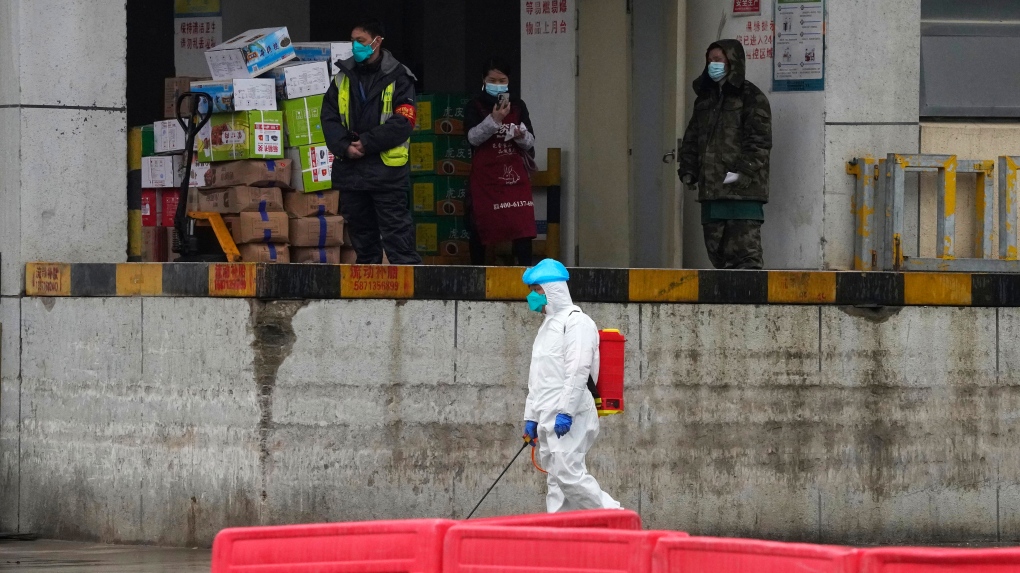
A worker in protective overall passes by a warehouse at the Baishazhou wholesale market during a visit by the World Health Organization on the third day of field visit in Wuhan in central China's Hubei province on Sunday, Jan. 31, 2021. (AP Photo/Ng Han Guan)

Labels: , , , , , ,

Saturday, May 02, 2020

World Health Organization Unresponsive to Queries on COVID Recommendations and Timelines

"We haven't any alternative pitched to us [from the World Health Organization] at all. There could be perhaps an alternative pitch, which we would consider."
We asked for him [Canadian Dr.Bruce Aylward, WHO senior advisor] just to show up for an hour knowing that his time is valuable, but just one hour knowing that we would work around his time zone."
Canadian Member of Parliament Matt Jeneroux

"WHO has stated its strong commitment to a timely review of the global response in a transparent, independent and comprehensive manner."
"We are in the initial phase of the most complex and time-sensitive public health response in the history of the organization and our single-minded focus is thus on working with countries in the fight against the [global SARS-CoV-2] pandemic."
Canadian House of Commons Committee letter to WHO 

"To me this is not about politics. I am not there [on the committee] to delve into the politics of the WHO. I am purely interested in their information and the way they responded to the COVID-19 crisis."
"I don't understand the difference. If he is prepared to come forward and on the record answer questions, why wouldn't he want to do that with our committee."
Member of Parliament Don Davies
Bruce Aylward of the World Health Organisation (WHO) attends a news conference of the WHO-China Joint Mission about its investigation of the coronavirus outbreak in Beijing, China, Feb. 24, 2020. Thomas Peter/Reuters

The World Health Organization has been criticized for giving the impression by its actions and statements clearly in favour of the Chinese response to the novel coronavirus, that its behaviour toward the Chinese Communist Party leadership is simply too deferential when its mandate is meant to be strictly objectively scientific in orientation, ensuring its guidance and advice to the world's nations is without bias, based strictly on medical science and factual evidence.

Not only has its chief, Tedros Adhanom Ghebreyesus, come under suspicion for the perceived unctuousness he displays toward China's Xi Jinping but that suspicion has now extended toward the former assistant director general of the World Health Organization who led an expert group examining the coronavirus' emergence in China. Dr.Aylward, in an interview with a television station out of Hong Kong where the issue of Taiwan was raised, terminated the interview rather than respond.

And because the WHO through Dr.Tedros initially praised the Chinese response and parroted its findings on human-to-human transmission, and played down the impending seriousness of the growing infection and death rate just as China did, leading to the international community being lulled into a state of complacency when a state of immediate alert should have been mandated, many countries' authorities have questions they would like answers to from the WHO.

COVID-19
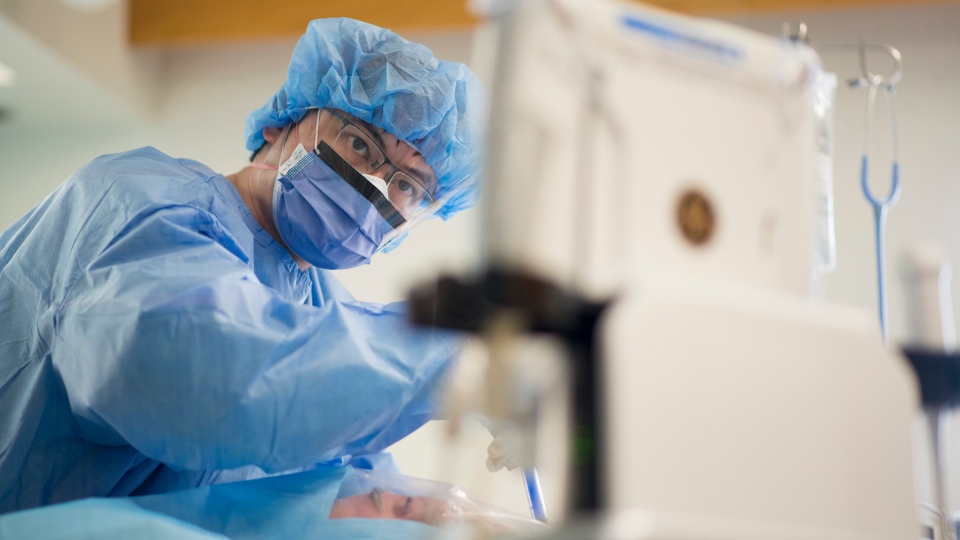
Resident doctor Kelvin Lou puts a CVC line into a patient in a COVID suspect room in the COVID-19 intensive care unit at St. Paul's hospital in downtown Vancouver, Tuesday, April 21, 2020. (THE CANADIAN PRESS / Jonathan Hayward)

To that end, the Canadian House of Commons committee looking into the issue had twice invited Dr. Aylward to come before them to respond to a number of queries relating to the novel coronavirus. To each of those invitations, Dr.Aylward responded in the negative. Had he recommended the presence of a senor aid to represent him, who would answer those questions, the committee would have accepted that as a reasonable alternative, but no such offer was forthcoming.

The UN agency's legal counsel responded to the committee by letter following the first invitation when counsel Derek Walton advised the agency is prepared for its decisions to undergo a full review, but not at the present. To which the head of the parliamentary committee, MP Jeneroux pointed out that Dr.Aylward has given time for media interviews, and as such it appears reasonable for him to spare time for an appearance before the committee representing his own government as a citizen of Canada.

That, since the Canadian response to the crisis of this global pandemic that has impacted so heavily around the world as an infectious disease afflicting over a million people worldwide with steadily growing numbers, while 244,000 people have died so far from its complications, the issues are of monumental importance. All the more so that the crisis and its response, driven by recommendations from the WHO, makes it incumbent on that body to be responsible for itself to the very audience so dependent on its guidance.

Dr. Theresa Tam, Canada’s chief public health officer,  Blair Gable / Reuters


The World Health Organization had been unequivocal, recommending against travel restrictions and border closings initially, with a side note that it would be 'racist' to close borders to China. They also advised against the use of protective masks by the public. Recommendations which Canada's chief public health officer, Dr.Theresa Tam, was guided by as she agreed with the WHO's recommendations before eventually changing her opinion over those issues.

PHAC Coronavirus Map of Canada
Provided by: Public Health Agency of Canada


COVID World Cases

Labels: , , , , , , , , ,

Thursday, October 26, 2017

Yet Another United Nations Agency Totters Into Moral Bankruptcy -- World Health Organization

"The government of Robert Mugabe presided over the dramatic reversal of its population's access to food, clean water, basic sanitation and health care."
"[Mugabe's policies led directly to] the shuttering of hospitals and clinics, the closing of its medical school and the beatings of health workers."
Physicians for Human Rights 
Zimbabwe President Robert Mugabe delivering a speech on October 7, 2017 in Harare.

There was a time in the not-so-distant past, when Zimbabwe had a thriving economy and its agricultural sector was so productive it was able to feed its population and do a sizeable trade selling its products elsewhere in the world. That was when Zimbabwe was considered to be an African breadbasket, and when most farms were owned and operated by white settler-farmers from Europe whose families operated their farms for generations, employing black Zimbabweans in steady jobs as farm labourers.

And then came a sea change in how Zimbabwe under Robert Mugabe viewed the indignity of white Zimbabweans operating these large, productive and successful farming operations, when the government, under its long-time president, Robert Mugabe, was convinced that whatever whites could do, blacks could do even better, and white farmers had their farming properties confiscated, sometimes so violently that they lost their lives in the transformation.

The farms were then handed over to Robert Mugabe's former comrades in the independence movement that saw the country severing its ties with colonialist Britain to become proudly and fully independent. Trouble was, the black Zimbabweans had no experience and little interest in farming and once-productive farms went fallow, while thousands of Zimbabweans lost their employment and the economy slowly sank. Food had to be imported, inflation soared and the civil infrastructure that was once dependable deteriorated.

Robert Mugabe as president of Zimbabwe settled comfortably into his new role as dictator, while the people of Zimbabwe suffered privation and had to accommodate themselves to living in conditions that bore little resemblance to their former prosperity and full employment opportunities. Health care suffered because hospitals and clinics no longer had indispensable equipment and the knowledge to use them to best effect. But Mr. Mugabe wasn't concerned; he went abroad for medical treatment.

And this man who single-handedly ruined his country's economy and stifled the efforts of political opposition to his stranglehold on the government, still rules the country he has destroyed. His wife claims he will never, despite his advanced age, surrender his power, though she is prepared to make a great personal sacrifice by taking over the office from her faltering husband, to rule the country when she isn't in Paris spending a fortune on jewellery and couturier splendours.

Yet this is also the man who was lauded by WHO's newly appointed director-general, Tedros Ghebreyesus at a conference in Uruguay, as a visionary, a man of great governing talent and irreproachable moral fortitude who would be a hugely respected spokesperson for the World Health Organization, appointed as a "good-will ambassador" focusing on non-communicable diseases. President Mugabe, now 93, was pleased to accept the offer.

The new WHO head is the first African to have been appointed to the elite position with the UN health agency. He was educated and trained at the London School of Hygiene and Tropical Medicine, completing his doctorate in community health at Nottingham University. As Ethiopia's health minister he was credited with furthering his country's commitment to achieving an efficient, modern approach to health services for the people of Ethiopia. He appeared, despite being the first head of WHO not to have a medical degree, to be well suited to the position.

Then came the bombshell when news of the appointment of Mugabe as good-will ambassador to the WHO became public, when sober minds reacted with incredulity at the absurdity of awarding such a post to a man with the well-earned reputation for corruption of Mugabe. Anyone who is anyone in government and concerned with universal health care was shocked into a vociferous response demanding rejection. To the extent that Tedros had no choice but to withdraw the appointment.

To their credit, WHO staff themselves reacted with shock and disdain as one staff member wrote: "Senior WHO staff dumbfounded". Fears were expressed that the credibility of WHO, as well as its funding would be impacted deleteriously, causing "great concern" among WHO staff. A 2009 report compiled by Physicians for Human Rights detailing Mugabe's systematic undermining of the country's health care system excoriated him for the damage he inflicted on Zimbabwe.

Mugabe responded to that report by banning any further reports on the health crisis in his country and simply ignored an explosion that took place of various health epidemics, the end result of which was that life expectancy in Zimbabwe fell, from 1990's 62 years, to 36 years by 2006, with no improvement in the still deteriorating situation since that time.

"It's clear that this was a prize, if not compensation for something", mused UN Watch's Hillel Neuer. "Tedros may have been rewarding Mugabe for his support in nomination to the WHO post."

But, in fact, this aborted appointment reflects in large part the dysfunction of the United Nations and its various arms, in its choices for sensitive posts such as human rights and women's rights, allowing totally inappropriate nations to take their proud seats on bodies sitting in judgement over countries dedicated to upholding human rights while they themselves are prime examples of human rights abusers.

In this particular instance, no fewer than two dozen organizations released a statement damning the appointment; organizations such as the World Heart Federation and Cancer Research U.K. stating their shock and concern. They had, in fact, attempted to convey to Tedros the nature of the ill choice he had made, but failed to convince him at the time of the Uruguay conference.

Changing his mind only when universal condemnation -- with the exception of the African Union supporting Mugabe -- unequivocally slammed Tedros for elevating Mugabe into WHO.

Labels: , , , ,

() Follow @rheytah Tweet