

Fears of Nuclear Fallout From U.S.-Israel Iran Conflict
"Where is all this going?""The schools are closed, and air sirens are ringing multiple times a day, and distant booms keeps more people at home farther from public places.""But my company is booming -- cashing in on the crisis -- as more and more people opt to leave, with land routes now the only way out."Egyptian taxi driver in Kuwait"Weeks into the U.S. and Israeli war with Iran, alarm is mounting after a series of strikes targeting sensitive nuclear facilities, including reported damage last week metres from the reactor of Iran's Bushehr Nuclear Power Plant -- located just across the Gulf from Kuwait."Mohamed Fahmy, journalist, Kuwait City
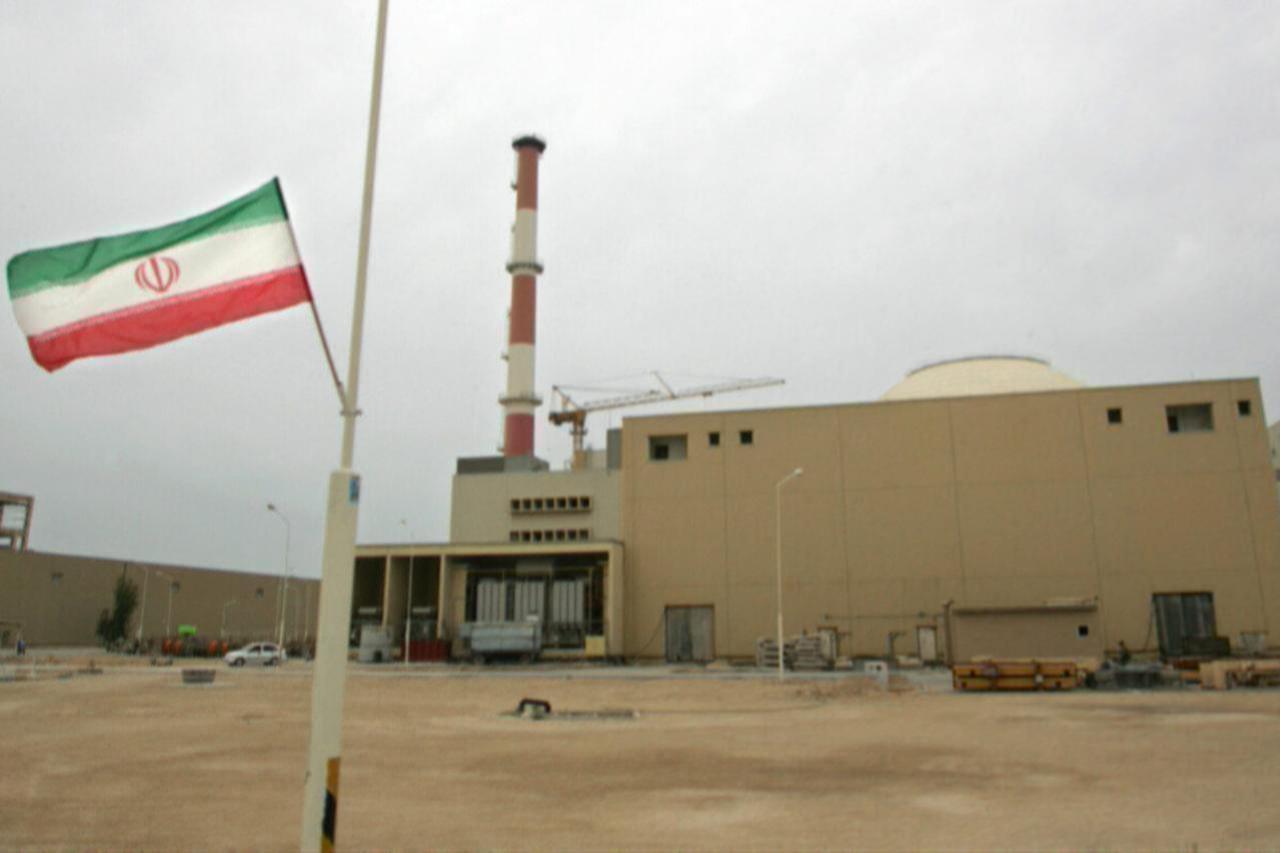 |
| An Iranian flag outside the building housing the reactor of the Bushehr nuclear power plant in southern Iranian port town of Bushehr, 1200 km south of Tehran, Iran. (AFP Photo) |
Just 275 kilometres' distant across the Gulf from Kuwait, the Bushehr Nuclear Power Plant's proximity is a threat to Kuwait; its geographic placement threatening that prevailing northwesterly wind has the potential to carry nuclear radiation contamination toward Kuwait in the event of a radioactive release should the plant be hit by a missile. According to nuclear authorities, should a severe incident occur at Bushehr, the result would be comparable to the breakdown of the Chernobyl plant in Ukraine.
The director general of the International Atomic Energy Agency, Rafael Grossi, calls for maximum restraint while warning continued strikes in the area risk a nuclear accident being triggered while conflict between the United States, Israel and Iran goes into its fourth week. "An accident at an operating nuclear power plant would be something very, very serious. This is the reddest line of all in nuclear safety", he warned grimly.
In its tit-for-tat responses, hours following the Natanz enrichment complex in Iran being struck on Saturday, Iran launched retaliatory ballistic missile strikes on the towns of Dimona and Arad in southern Israel, where 180 people were injured. This strike, as inaccurate as it was, served as a warning that the Islamic Republic's reach is as far as has been feared possible. A mere 13 kilometres from Israel's strategically sensitive Negev Nuclear Research Center.
Hundreds of ballistic missiles and drones have been launched by Iran across Kuwait and neighbouring Gulf states that include the UAE, Bahrain, Saudi Arabia and Oman. Oil refineries, gas installations and major ports and airports have been targeted across the Gulf by Iran. This is the face of Iran that its Gulf partners have always feared. Their cautious opposition and awareness of the Islamic Republic's drive to spread its volatile Islamist fundamentalism linked to its striving for uranium enrichment and resulting warheads for its ballistic missiles has created an atmosphere of fear and apprehension among its neighbours.
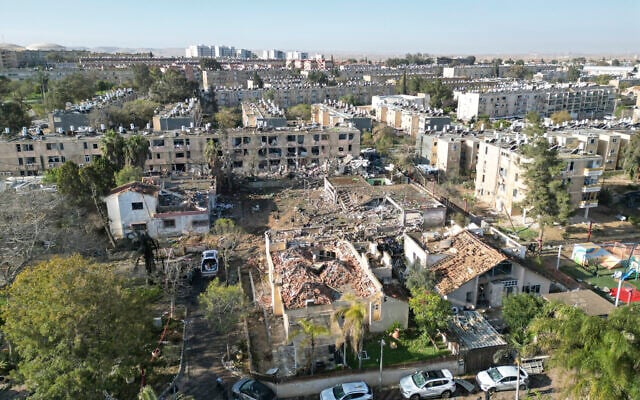 |
| The scene where a missile fired from Iran impacted in the southern Israeli city of Dimona, March 22, 2026. (Chaim Goldberg/Flash90) |
Not the least of which is the State of Israel, which is itself a discreet nuclear power, knowing that its survival is in Tehran's Shiite-jihad crosshairs should they ever succeed in their nuclear mission. The Middle East Arab Sunni states, while relaxing their historic hostility to Israel's presence, have been content to watch on the sidelines as Israel and the Iranian regime confront one another, in the hope that Israel would prevail and solve their Iran-problem for them.
Now, in the ongoing conflict where U.S. and Israeli aerial bombardment is bludgeoning Iran's government and military infrastructure along with its weapons caches, Iran, now in the complete control of the Islamic Revolutionary Guard Corps, warns that the region's infrastructure would be hit should the U.S. president's threats come to fruition. The most recent retaliatory barrage was a taste of what could be intensified. Air defence forces in Kuwait managed to intercept and destroy dozens of missiles and drones, though some slip through.
A number of major international and national organizations have been actively preparing for the possibility of a nuclear 'incident'. The World Health Organization is preparing for a "worst-case scenario" involving nuclear risks. It has taken to a repeat of staff training on emergency response protocols and reinforcing radiation-related health risk guidance. Contingency plans are being updated across 13 countries in preparation for possible strikes on nuclear facilities ... even use of a nuclear weapon.
Facilities equipped with specialized ventilation systems, food supplies, bunk beds, prayer areas, medical clinics and decontamination and clothing disposal units are being prepared through the establishment of 195 public shelters in Kuwait for the protection of their civilians, using schools and university sites. More Gulf nations are being drawn into the kind of conflict they had long thought of and hoped to be able to avoid. The spectre of a direct hit on a nuclear site could result in a humanitarian crisis in more than one country in the Middle East, as Iran implodes while striking out to punish its enemies.
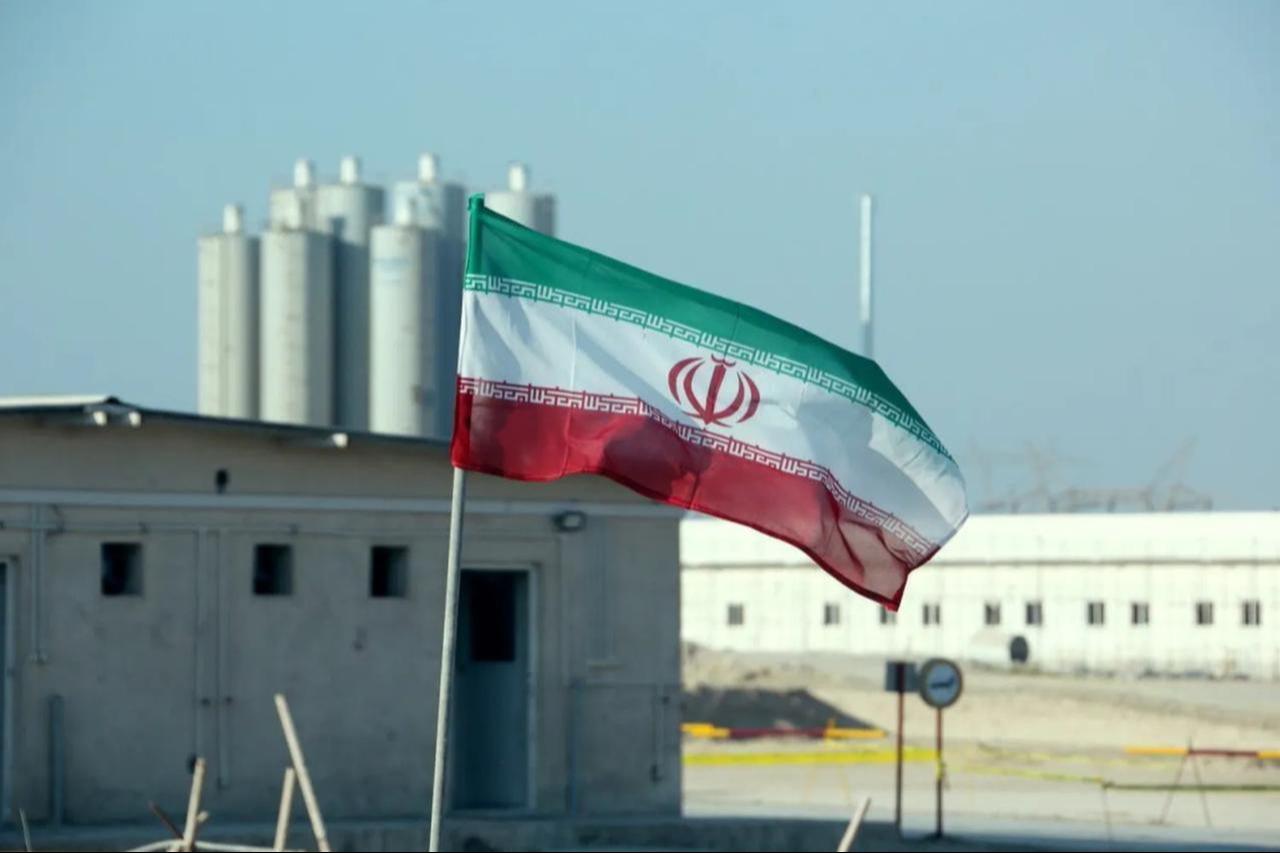 |
| Iranian flag flies at the Bushehr nuclear power plant in Iran, accessed on Feb. 1, 2026. (AFP Photo) |
Labels: Atomic Energy Commission, Bushehr Nucleat Plant/Iran, Dimona Nuclear Plant/Israel, Nuclear Power Plants, U.S.-Israel Iran Conflict, World Health Organization
posted by Pieface | 9:31 PM


0 Comments:
Post a Comment
<< Home