

Full Speed Ahead on China's Designs for Nuclear Energy
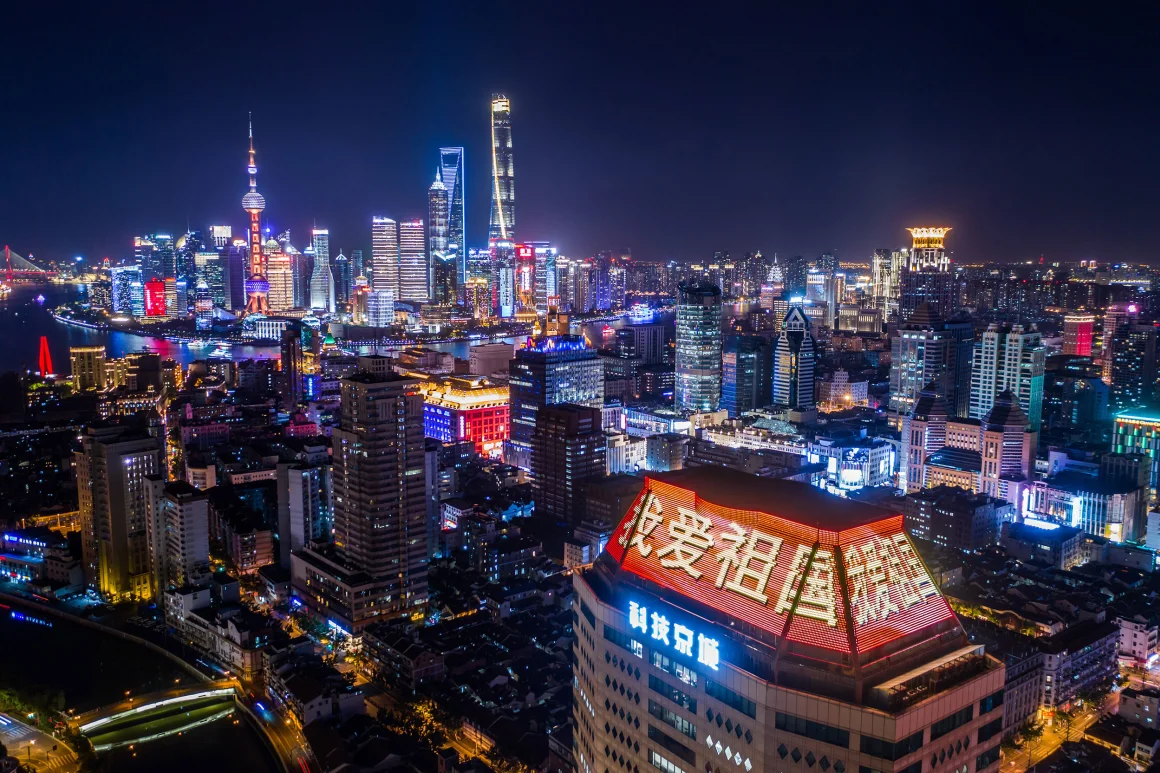 |
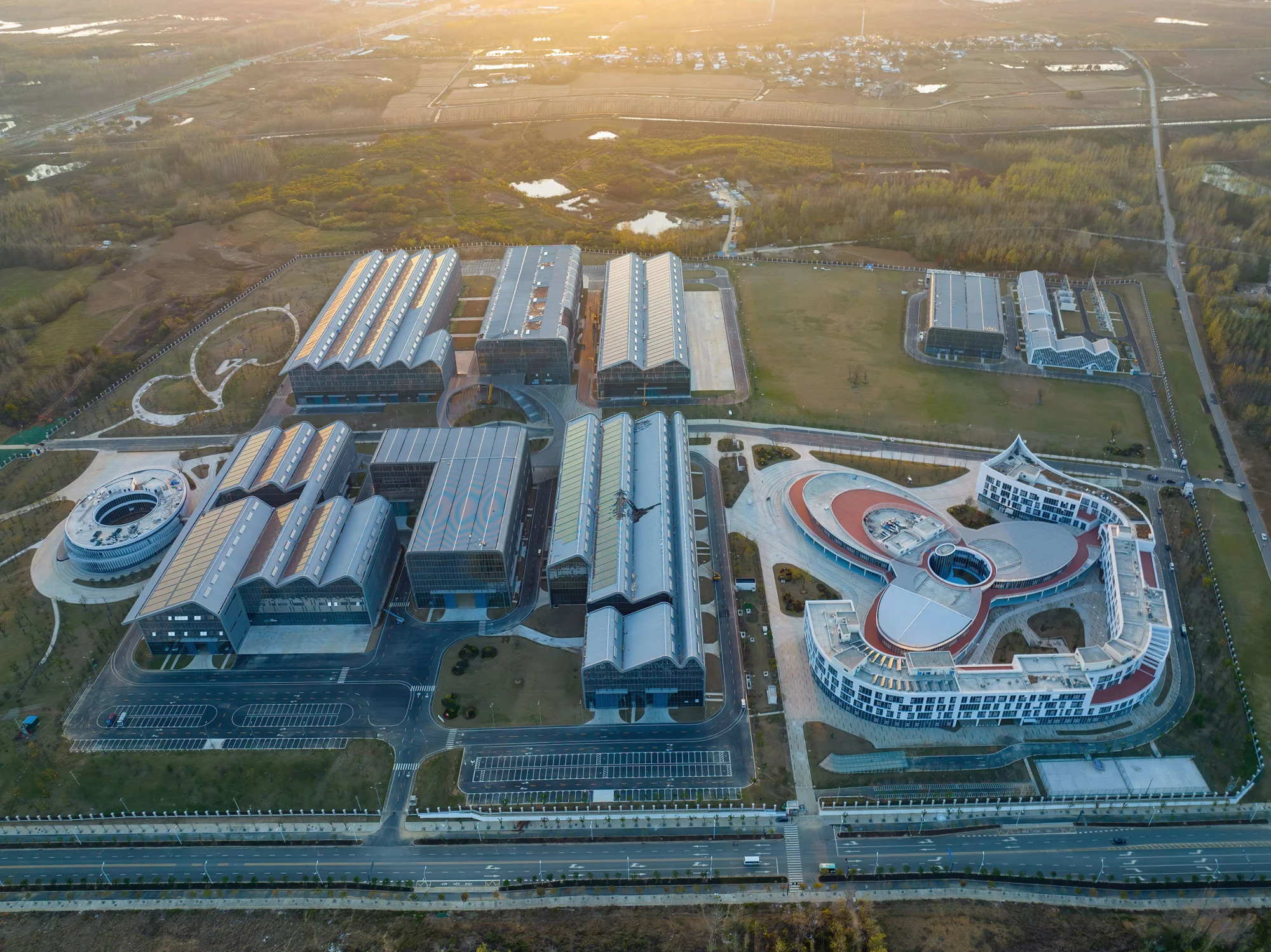
"The Chinese are moving very fast.""They are very keen to show the world that their program is unstoppable."Mark Hibbs, senior fellow, Carnegie Endowment for International Peace"[A new $570 million fusion research park in eastern China under construction, called CRAFT, is on track to be completed next year.] We don’t have anything like that.""The Princeton Plasma Physics Laboratory has been upgrading its tokamak for 10 years now. The other operating tokamak in the United States, the DIII-D, is a 30-year-old machine. There’s no modern fusion facilities at American national labs.""[There’s a growing unease in the US industry that China is beating America at its own game. Some of the next-generation tokamaks China has built, or plans to, are essentially] copies [of US designs and use components that resemble those made in America. There is] a long history [of China copying American tech].""They’re fast followers and then take the lead by dominating the supply chain. We’re aware of this and want to make sure that’s not the way it goes forward."Andrew Holland, CEO, Fusion Industry Association, Washington
 |
A satellite image from
January 11, 2025, shows a massive nuclear project in Mianyang, China,
that appears to include four laser bays pointing at a containment dome
roughly the size of a football field, about twice as big as the U.S.
National Ignition Fusion Facility. Planet Labs PBC |
In
the past seven years China has built 13 nuclear reactors with plans for
another 33 to get underway. The second most-populous country on the
globe is fast becoming a world leader in nuclear power; its many
reactors under construction equal the combined output of the rest of the
world. The United States has always been the fore-runner in nuclear
reactors, and now it sees China catching up and leaving them in the dust
of China's rapid pace of construction. Building nuclear reactors is
expensive. In the U.S. it is left in the hands of private industry which
must seek out capital investment. In China, it is the government that
invests and builds reactors.
Basically,
American innovation and entrepreneurship leads the way in the United
States. In China, stealth acquisition of foreign research, technological
advancement and technical architecture gives it a heads-up advantage as
it appropriates, refines and produces, from medical science to
communication to energy production, leveraging what it acquires to
advance its agenda by cutting out the preliminary research required to
produce new and advanced technologies. Beijing's penchant for branding
itself the world's foremost production colossus comes at the expense of
other nations' inability to match its cost output.
In
another five years, at the rate China is engaged in building new
reactors, it is set to outpace the United States to become a global
leader in nuclear power. Typically, while it was the U.S. that split
the atom for energy production, it was enterprising appropriation by
China that will now outdistance the pace of American plans for clean
energy production. French and American nuclear designs have been the
matrix of China's technological expansion, as it cuts out delays caused
elsewhere in the world by bureaucratic interference in progress.
 |
Commonwealth Fusion
Systems SPARC tokamak being assembled in December 2024 in Devens,
Massachusetts, is scheduled to use superconducting magnets to reach
fusion ignition in 2027. Commonwealth Fusion Systems |
Building
delays and cost overruns that plague the construction of
multi-billion-dollar nuclear reactions have been diminished in China by
government decree in its rushed expansion of nuclear power. Its
investment in next-generation nuclear technologies is also outpacing
the West as it invests heavily in fusion -- considered a limitless
source of clean power. While the West grapples with the problem of
disposing of nuclear waste, Beijing has not yet appeared to have
initiated its own serious consideration of a solution to that particular
dilemma.
Its
rush is for a very particular mission; in all matters of production,
acquisition and trade its aim is to become and to be acknowledged as the
ultimate and most powerful, influential source of anything and
everything the world needs to prosper, and be recognized as a world
power equal to the status of the United States -- until, presumably, it
manages to shove the U.S. to second place finish over the winner's line
in the race for Number One Status.
As
it becomes proficient in design and export of sophisticated
technologies, Beijing's clear objective is to be recognized as a primary
supplier of nuclear power to the world at large. While competing for
global supremacy, energy production is recognized as having emerged on a
geopolitical field of conquest. The U.S. having positioned itself as
the foremost supplier of fossil fuels such as oil, gas and coal, China
now dominates manufacture of solar panels, wind turbines and batteries
in recognition of renewable power -- the market of the future.
 |
The preamplifier
module increases the laser energy as it heads toward the target chamber
at the National Ignition Facility. Photo courtesy Damien Jemison at Lawrence Livermore National Laboratory |
With
global concern continuing to mount over climate change, nuclear
reactors are becoming increasingly popular since planet-warming
emissions are sidelined with their use, unlike coal and gas plants.
Electricity can be produced continuously, unlike wind and solar power.
The current White House plans to quadruple nuclear power capacity by
2050, hoping to develop more advanced reactor technology to power data
centres.
In
its plans for capturing the world market on nuclear energy Beijing has
established a protocol for rapid and less expensive production of
nuclear reactors; able now to assemble reactors within five to six
years,whereas elsewhere in the world it takes twice as long. Modern
nuclear power plants must conform to complex construction methods. To
safely split atoms the reactor vessel is produced of specialized steel
some 25 centimeters thick, to withstand bombardment by radiation, for
decades-long lifetimes of use.
Housed
in three-story-tall massive containment domes made of steel-reinforced
concrete to prevent leaks, thousands of kilometres of piping and wiring
is designed to meet safety standards. Regulator approval can lead to
delay, causing an increase in borrowing costs to finance these
multibillion-dollar projects. Unlike anywhere in the West, Beijing
relies on heavy government support where state-owned nuclear developers
can claim government-backed loans.
As
soon as they receive approval from the safety regulator, most reactors
in China quickly break ground whereas in the United States such projects
are delayed awaiting state governments' additional permits. By
mid-century, Beijing's plans are to build hundreds of reactors. Private
innovation leads to nuclear expansion in the United States; by contrast,
with dozens of start-ups now working on new generations of smaller
reactors, less expensive to build.
Chinese
companies have built six reactors in Pakistan with plans to export more
elsewhere in the world, on its way to its ultimate goal, to control and
dominate these global market. "Maybe
we can convince some of our allies not to buy Chinese reactors, but
there are going to be plenty of other countries out there with growing
energy demands. And if America isn't ready, we won't be able to compete", mused Paul Saunders, president of the Center for National Interest think tank.
 |
Labels: China's Rush to Conquer he Nuclear Market, China/US Competition, Clean Energy Nuclear Reactors
posted by Pieface | 9:25 PM


0 Comments:
Post a Comment
<< Home